
|
Friday, January 29, 2010
A review of a new book, What Darwin Got Wrong. Co-authored by Jerry Fodor, who has been continuing his war against natural selection. I've already read Darwinian Fairytales: Selfish Genes, Errors of Heredity, and Other Fables of Evolution (at the suggestion of a reader who found the arguments within incredibly persuasive, convincing me to simply ignore anything that reader ever asserted after finishing the book), so I think I have my quota of philosopher-declaring-evolution-the-naked-emperor under my belt. Meanwhile, there are real scholars grappling with the issues which emerged in the wake of the Neo-Darwinian Synthesis and its discontents, and pushing science forward.
Yes, Darwin was wrong about many things. But how many scientists will still have such an impact 150 into the future? He's a big enough figure that people can sell books just by putting his name into the title! Only a few others fall into that class. Note: Here you can read a draft of the third chapter of What Darwin Got Wrong. Labels: Evolution
Saturday, January 02, 2010
This week in Science, three papers report that the product of the gene PRDM9 is an important determinant of where recombination occurs in the genome during meiosis. Though this may sound like something of an esoteric discovery, it's actually pretty remarkable, and brings together a number of lines of research in evolutionary genetics. How so?
A bit of background. A few somewhat related facts: 1. A major goal in the study of speciation is the identification of the genes that underlie reproductive barriers between species. In 2008, the first such gene in mammals was found--in a cross between two subspecies of mouse where the male offspring are sterile (note that this follows Haldane's rule), a introduction of the "right" version of a single gene was sufficient to restore fertility. This gene? PRDM9, which encodes a histone methyltranferase expressed in the mouse germline. This gene has evolved rapidly across animals, especially in the part of the protein that binds DNA. This suggests it is binding a sequence that is changing particularly rapidly over evolutionary time. 2. The positions in the genome at which recombination during meiosis are not scattered randomly, but rather cluster together in what are called "recombination hotspots". Enriched within these hotspots in humans is a particular sequence motif, presumably an important binding site for whatever factor is controlling recombination. As this fact was becoming clear, a group compared the positions of these recombination hotspots between humans and chimpanzees. The result? The positions of these hotspots are remarkably different between these species. In fact, the positions of recombination hotspots in humans and chimpanzees are nearly non-overlapping, a fairly impressive fact given that the genomes themselves are 99.X% identical. 3. But perhaps #2 isn't all that surprising. If there are two alleles at a hotspot, one of which is "hot" and the other of which is "cold" (ie. doesn't initiate recombination), the mechanism of recombination results in gene conversion of the "hot" allele to the "cold" allele (for details, see here). This should result in the relatively rapid loss over evolutionary time of recombination hotspots, which in turn results in what has been called "the hotspot conversion paradox"--if hotspots should trend over time to be more "cold", how is it that they exist? One plausible resolution of this paradox--a sequence or gene that doesn't contain a hotspot itself might control the positioning of recombination elsewhere in the genome. 4. Indeed, such genes exist. In mice, two groups last year identified regions of the genome (though they didn't at the time narrow it down to a gene) controlling the usage of individual hotspots. Importantly, one such region was located distantly to the hotspot, indicating an important regulator of recombination positioning. In humans, a group last year showed that these is extensive variability between humans in how often previously identified hotspots are used, and that this variation is heritable. PRDM9 brings all of these observations together These three papers all report that item #1 and items #2-4 above are all related. What do they show? 1. Two groups followed up on the observation in #4 above that there was a particular region in mouse controlling hotspot usage, and identified the relevant gene as PRDM9. One group went further, testing whether variation in this gene also influenced hotspot usage in humans. Remarkably, it did, showing that variation in PRDM9 in both mice and humans leads to variation in hotspot usage. This variation changes the binding specificity of the gene, leading to changed hotspots and a resolution of the "hotspot conversion paradox" mentioned in #3 above. 2. Another group took a different route to a similar conclusion. They followed up the sequence motif mentioned in #2 above as being enriched in recombination hotspots in humans. The "hotspot paradox" predicts that, if this motif is "hot", it should be in the process of being removed from the human genome. Similarly, if it's not "hot" in chimpanzees, it should not be in the process of being removed from the chimp genome. Indeed, this motif has been preferentially lost along the human lineage as compared to the chimp lineage. They then asked, what is binding this motif? They had two criteria--a protein with a predicted binding site similar to their motif, and lack of conservation of this protein between humans and chimpanzees. Only one gene fit these criteria--PRDM9. Thus, the rapid evolution of PRDM9 is responsible for the puzzling observation that recombination hotspots are entirely unconserved between humans and chimps. A brief conclusion I'll reiterate that this is a pretty remarkable discovery, opening up the possibility of a direct link between the evolution of recombination and speciation. Is the effect of PRDM9 on recombination responsible for the conformation to Haldane's rule in the mouse cross described in #1? Or is there some additional effect of this gene? Is the evolution of PRDM9 sufficient to describe the evolution of recombination hotspots in all animals? One can imagine a whole host of additional questions. Certainly, this is a story to be continued.
Tuesday, November 24, 2009
Carl Zimmer reports that it might be a function of physics. Bigger whales have proportionality bigger mouths, but at some point the biological engineering runs up against constraints:
s they report today in the Proceedings of the Royal Society, Goldbogen and his colleagues found that big fin whales are not just scaled-up versions of little fin whales. Instead, as their bodies get bigger, their mouths get much bigger. Small fin whales can swallow up about 90% of their own body weight. Very big ones can gulp 160%. In other words, big fin whales need more and more energy to handle the bigger slugs of water they gulp. As their body increases in size, the energy their bodies demand rises faster than the extra energy they can get from their food. Given enough time and a large population one can imagine that evolution might be able to figure out a solution, or back out of the adaptive dead end. Labels: Evolution, Genetics, Population genetics
Monday, October 26, 2009
Svante Paabo believes modern humans & Neandertals interbred
posted by
Razib @ 10/26/2009 02:20:00 PM


Neanderthals 'had sex' with modern man:
Professor Svante Paabo, director of genetics at the renowned Max Planck Institute for Evolutionary Anthropology in Leipzig, will shortly publish his analysis of the entire Neanderthal genome, using DNA retrieved from fossils. He aims to compare it with the genomes of modern humans and chimpanzees to work out the ancestry of all three species. The way Paabo is couching it, what he has found then seems likely to be evidence that humans who had just expanded Out of Africa contributed to the genomes of Neandertals. In other words, modern human introgression into Neandertals. Of course if the gene flow was from modern human to Neandertals exclusively, then it would be an evolutionary dead end since that lineage went extinct. H/T: Anthropology.net Labels: Evolution, Neandertals
Tuesday, October 20, 2009
Reading Joe Thornton's response to Michael Behe, I'm struck by the de ja vu that the exchange induces. I remember reading Darwin's Black Box when it came out, and being confused as to why this was such an awesome challenge to evolution, and following the debates in its wake. Behe seems to think he's pwning everyone, when his arguments from outside of his charmed circle seem a bit flimsy and amateurish.
But let's assume that Behe doesn't have any screws loose. There have to be presuppositions which allow for his arguments to seem rock-solid and irrefutable in his own cognitive universe. I know that some readers of this weblog have ID sympathies. Normally I just delete those sorts of comments because I'm an intolerant evolutionist/intolerant of idiocy (your selection of the two options obviously depends on your starting point). But I'm genuinely curious from an anthropological perspective, why does Behe think his arguments are not being refuted over and over? I could go read the ID & Creationist weblogs, but the quality of the comments are low, and individuals like William Dembski deal with an sympathetic audience and seem to demand a level of sycophancy so there's a lot of garbage to wade through. Rather, I'll leave the thread open to ID believing GNXP readers to flesh out their axioms. Specifically, I want some insight to why Behe is totally unconvinced by all the rebuttals which have been offered in the 15 years since he came on the scene. (Obviously this is not an invitation to religious argument or preaching) Labels: creationism, Evolution
Monday, October 19, 2009
Are Humans Still Evolving? Absolutely, Says A New Analysis Of A Long-term Survey Of Human Health:
"There is this idea that because medicine has been so good at reducing mortality rates, that means that natural selection is no longer operating in humans," said Stephen Stearns of Yale University. A recent analysis by Stearns and colleagues turns this idea on its head.... Since large numbers of humans forgo reproduction in an evolutionary sense they might as well have died (excluding some inclusive fitness effects). If reproductive variance and heritable variation in traits correlated with that variance continues then naturally selection will be an operative phenomenon. The paper is coming out in PNAS, so no guarantee when it'll be online, Byars, S., D. Ewbank, et al. Natural selection in a contemporary human population. Proceedings of the National Academy of Sciences, 106(42) DOI: 10.1073_pnas.0906199106.
If you're at ASHG, a session you might want to attend, Scale Effects and Recent Brain Evolution: Theory and Preliminary Evidence. Here's the abstract:
What forces have driven human evolution since the grand human diaspora? In this paper, I argue that the scale effects so central to endogenous growth theory in the field of economics (e.g., Kremer's widely-cited "Population Growth and Technological Change: 1,000,000 B.C. to 1990," Quarterly Journal of Economics, 1993) have been important drivers of human brain development since the diaspora. Scale effects have made prominent appearances in recent explanations of continent-level outcomes. For instance, in Kremer’s model, big continents create larger, denser, faster-growing populations. In Diamond’s Guns, Germs, and Steel model, wide continents raise the chance that an innovation will arise at a given latitude, an innovation which can then disperse across that latitude, enriching those who live on wider continents. In both models, the Malthusian nature of pre-Industrial Revolution existence imposes strong conditions on the general equilibrium outcome. My model takes those channels as given, and works out the theoretical implications for the divergent evolution of human brains on these continents. Brains are biologically costly, so evolution will only select for larger brains if there is a substantial payoff. And since larger brains tend to have higher levels of intelligence [corr(Brain Size, IQ)= 0.4 in recent in brain-scan studies], larger brains tend to have more processing and memory power. Under certain parameter values, Kremer’s and Diamond’s models both imply that the payoff to a big brain—a brain that can better adopt someone else’s ideas—will be higher on wider, larger continents. Thus, we would expect human populations living on larger, wider continents to develop larger, more powerful brains. I model this relationship formally. This result should only hold on average: intra-group diversity is central to evolutionary theory, and massive intra-group diversity is an important fact of quantitative human genetics. The main purpose of the paper is to set forth the model, but I include some tests of its implications. I discuss whether, as the model predicts, human brain size and average IQ correlate positively with continent size and continent width. Indeed, evidence generally supports this hypothesis. Further empirical testing of the model’s predictions will occur as future researchers employ genetic diversity databases. I plan to present the results in a manner intelligible to non-economists. Here's the info: Session Title: Evolutionary and Population Genetics Session Session Location: Exhibit Hall II, Convention Center Session Time: Wed 9:30AM-3:30PM Program Number: 643/W Poster Board Number:301 Presentation Time: Wed, Oct 21, 2009, 1:00PM-2:00PM Labels: Evolution, human biodiversity
Wednesday, September 16, 2009
Toward the end of this episode of EconTalk, Nassim Taleb (Fooled by Randomness, The Black Swan) talks about religion and the history of medicine. He notes that one of the benefits of adhering to religious practices was that you probably avoided going to a doctor when you were in trouble -- you prayed to a god or whatever other supernatural entity your religion said would help you out. Why was this a benefit? Because before roughly 50 to 100 years ago, going to the doctor was worse than doing nothing. He bled you, gave your wife a disease by not washing his hands while delivering her baby, etc.
Basically, before very recent times, doctors were parasites. They did not specialize in healing you, but in conning you into thinking that they could heal you -- for a small fee -- all while making you worse, on average. This makes me think: there would have been a selection pressure on human beings to be skeptical of materialist claims about the world -- or at least about the nature of ourselves -- and thus, by default, to be naturally inclined toward supernatural beliefs. Of course, praying to Zeus might not have done an awful lot of good -- but at least it wouldn't have given you new infections like a hospital would, and at least it wouldn't have bled you dry. (And there may have been some benefit from all the social interactions that you got by attending religious services regularly vs. being socially isolated.) Natural selection operates on the tiniest differences in relative fitness, and for most of human existence there must have been more than a little difference in fitness between those who eagerly sought out the help of a medicine man / doctor and those who just went to church (or wherever) and prayed to the spirits instead. This may be an original hypothesis, but I don't claim so since I haven't read much on the various theories of why religion is part of human nature. Taleb came pretty close to saying so, but not explicitly. Most economists talk about what's rational or utility-maximizing, without making that final link to evolutionary fitness. To its credit, the idea has a pretty solid basis for the necessary differences in relative fitness between believers and non-believers. Labels: Evolution, Evolution of God, Medicine, Religion
Tuesday, September 15, 2009
Via Anthropology.net, The prehistory of handedness: Archaeological data and comparative ethology:
Homo sapiens sapiens displays a species wide lateralised hand preference, with 85% of individuals in all populations being right-handed for most manual actions. In contrast, no other great ape species shows such strong and consistent population level biases, indicating that extremes of both direction and strength of manual laterality (i.e., species-wide right-handedness) may have emerged after divergence from the last common ancestor. To reconstruct the hand use patterns of early hominins, laterality is assessed in prehistoric artefacts. Group right side biases are well established from the Neanderthals onward, while patchy evidence from older fossils and artefacts indicates a preponderance of right-handed individuals. Individual hand preferences and group level biases can occur in chimpanzees and other apes for skilled tool use and food processing. Comparing these findings with human ethological data on spontaneous hand use reveals that the great ape clade (including humans) probably has a common effect at the individual level, such that a person can vary from ambidextrous to completely lateralised depending on the action. However, there is currently no theoretical model to explain this result. The degree of task complexity and bimanual complementarity have been proposed as factors affecting lateralisation strength. When primatology meets palaeoanthropology, the evidence suggests species-level right-handedness may have emerged through the social transmission of increasingly complex, bimanually differentiated, tool using activities. The evolutionary background of handedness is of interest because there are correlates with left-handedness when it comes to individual differences. Handedness can also be somewhat confusing. For example, I am right-handed when it comes to writing (of less relevance today when I generally type). But I am strongly left-handed in basketball, switch-hit in baseball (slower bat speed left), and can throw a football with either arm comfortably (greater strength left, but better touch right, and I tend to side-arm with the left). Labels: Cognitive Science, Evolution
Monday, July 20, 2009
Partial penetrance facilitates developmental evolution in bacteria:
Development normally occurs similarly in all individuals within an isogenic population, but mutations often affect the fates of individual organisms differently...This phenomenon, known as partial penetrance, has been observed in diverse developmental systems. However, it remains unclear how the underlying genetic network specifies the set of possible alternative fates and how the relative frequencies of these fates evolve...Here we identify a stochastic cell fate determination process that operates in Bacillus subtilis sporulation mutants and show how it allows genetic control of the penetrance of multiple fates. Mutations in an intercompartmental signalling process generate a set of discrete alternative fates not observed in wild-type cells, including rare formation of two viable 'twin' spores, rather than one within a single cell. By genetically modulating chromosome replication and septation, we can systematically tune the penetrance of each mutant fate. Furthermore, signalling and replication perturbations synergize to significantly increase the penetrance of twin sporulation. These results suggest a potential pathway for developmental evolution between monosporulation and twin sporulation through states of intermediate twin penetrance. Furthermore, time-lapse microscopy of twin sporulation in wild-type Clostridium oceanicum shows a strong resemblance to twin sporulation in these B. subtilis mutants...Together the results suggest that noise can facilitate developmental evolution by enabling the initial expression of discrete morphological traits at low penetrance, and allowing their stabilization by gradual adjustment of genetic parameters. Also, see press release, Caltech-led team shows how evolution can allow for large developmental leaps. A bit grandiose in headline.
Monday, April 27, 2009
That's what this piece in The New York Times seems to be implying. In other words, the various classes of H. erectus might be a sister clade to H. floresiensis, instead of the latter being derived from a branch of the erectine lineages (as Neandertals and our own species are). The reference to "primitive" features and atavism though is likely to confuse the general audience, are the characteristics of the Hobbits really that much less derived than our own in relation to the last common ancestor? And I really wish someone would just do a poll of paleoanthropologists; they're the only ones with the knowledge base to assess the different hypotheses, but it seems like coalitional politics makes it so that the "consensus" is whatever the last anthropologist that the reporter talked to says it is.
Thursday, April 09, 2009
There was some talk about Pygmies on the post about Jerry Coyne's weblog. PLoS Genetics has a new paper up on the topic of Pygmy origins and their relationship to non-Pygmy populations. I've blogged it over at ScienceBlogs.
Labels: Evolution, Genetics, Population genetics, Pygmies
Tuesday, March 10, 2009
 The genetics of blue eye color in humans is almost entirely controlled by a single SNP in a conserved non-coding region in an intron of HERC2, as was strikingly demonstrated in a recent study on using genetics to predict eye pigmentation. The genetics of blue eye color in humans is almost entirely controlled by a single SNP in a conserved non-coding region in an intron of HERC2, as was strikingly demonstrated in a recent study on using genetics to predict eye pigmentation. Humans are not the only primate to have blue eyes--one notable example is the blue-eyed black lemur (pictured on the right). As it's well-known that convergent evolution in pigmentation has occurred in many taxa via similar genetic mechanisms (eg. MC1R), one obvious question is: have similar genetic changes led to blue eyes in humans and other primates? For blue-eyed lemurs, a new study demonstrates that, well, the answer is no. The authors sequence the region known to be causal for human blue eyes in both blue-eyed black lemurs and a closely-related, non-blue-eyed species, and find no differences. Though this is a negative result, it's still kind of fun, and establishes a nice example of convergent evolution via separate genetic mechanisms in primates.
Saturday, January 03, 2009
 One of the established cool examples of convergent evolution (which for my purposes here I'll define loosely here as the evolution of different populations to the same phenotype via different mutations) has been the repeated loss of pigmentation (and eyes) in fish that have adapted to life in light-poor, nutrient-poor caves. In 2006, a group reported that albinism (panel J in the picture) in several of these caves was due to mutations in OCA2 (a SNP in a regulatory region of this gene also causes blue eyes in humans). One of the established cool examples of convergent evolution (which for my purposes here I'll define loosely here as the evolution of different populations to the same phenotype via different mutations) has been the repeated loss of pigmentation (and eyes) in fish that have adapted to life in light-poor, nutrient-poor caves. In 2006, a group reported that albinism (panel J in the picture) in several of these caves was due to mutations in OCA2 (a SNP in a regulatory region of this gene also causes blue eyes in humans).Not all cavefish however, are fully albino--in some populations, there also exists a "brown" phenotype (panel "G" in the picture) with reduced pigmentation. In a new paper, the gene underlying this phenotype is shown to be MC1R (this gene, of course influences pigmentation in all sorts of species), and, similarly to OCA2, two different mutations have arisen in different populations. One might imagine that light pigmentation in cavefish could just be due to simple drift--a random mutation that knocks out pigmentation is no longer selected against in a place where there's little light, and so could drift up to high frequency. But the fact that this phenotype has arisen so many times, and reached high frequency in the presumably short time period that these fish populations have been isolated (I say presumably short because I can't find any numbers on this, but the different populations can interbreed freely) suggests a role for strong positive selection for this phenotype in adaptation to the cave environment.
Monday, October 06, 2008
Can someone put the psychic unity of makind out of its misery?
posted by
Razib @ 10/06/2008 07:14:00 PM
Evolutionary emergence of responsive and unresponsive personalities:
In many animal species, individuals differ consistently in suites of correlated behaviors, comparable with human personalities. Increasing evidence suggests that one of the fundamental factors structuring personality differences is the responsiveness of individuals to environmental stimuli. Whereas some individuals tend to be highly responsive to such stimuli, others are unresponsive and show routine-like behaviors. Much research has focused on the proximate causes of these differences but little is known about their evolutionary origin. Here, we provide an evolutionary explanation. We develop a simple but general evolutionary model that is based on two key ingredients. First, the benefits of responsiveness are frequency-dependent; that is, being responsive is advantageous when rare but disadvantageous when common. This explains why responsive and unresponsive individuals can coexist within a population. Second, positive-feedback mechanisms reduce the costs of responsiveness; that is, responsiveness is less costly for individuals that have been responsive before. This explains why individuals differ consistently in their responsiveness, across contexts and over time. As a result, natural selection gives rise to stable individual differences in responsiveness. Whereas some individuals respond to environmental stimuli in all kinds of contexts, others consistently neglect such stimuli. Interestingly, such differences induce correlations among all kinds of other traits (e.g., boldness and aggressiveness), thus providing an explanation for environment-specific behavioral syndromes. Related: Heritability of the Ultimatum Game, Chimps, the ultimatum game & time preference and Altruism and Risk-Taking: Kinda Heritable. Labels: Evolution, Evolutionary Psychology
Friday, April 25, 2008
A new paper, The Dawn of Human Matrilineal Diversity, is out in AJHG. I read too much John Hawks to really be all that excited about mtDNA based studies, and this paper is Mitochondrial Eve to the nth power. But...I do think it is indicative of a trend which suggests a rollback from the most extreme Out of Africa scenarios; i.e., that one band somewhere in Eastern Africa arose ~100,000 years ago and expanded demographically so that they were the exclusive ancestors of all human beings.1 The introgression story is one angle; but the likelihood of preexistent population substructure within Africa itself is another. If you don't read the paper (which is Open Access), just check out Figure 1 and the map. Breathless description of the study over at ScienceDaily of course....
Related: Kambiz comments in more detail. 1 - Some of this was more about public perception than reality; just like the one mtDNA ancestor was conflated with one female ancestor (the same trick of course applied to the NRY). Labels: Evolution
Thursday, April 24, 2008
One of the "debates" currently occupying evolutionary biology is whether evolution occurs primarily via changes in protein-coding sequence or via changes in gene regulation (apparently it's become so heated that battles between the two camps are now fought through t-shirts).
As understanding of the genetics of adaptation advances, this debate will likely fade away--a priori, it's easy to make the case for either, and well-studied individual examples are showing that, as one might expect, evolution isn't particularly dogmatic about the sources of variation it works with. It's these case studies that are most interesting--take, for example, a recent study on the adaptation of Arabidopsis halleri to the heavy-metal-polluted soils it now occupies. This is quite a nice example of evolution via gene regulation--the authors map the ability to tolerate heavy metals to a particular candidate gene, then identify both a change in copy number as well as changes in the promoter region of the gene that lead to high levels of expression. To complete the story, they then pop this highly expressing version of the gene back into A. thaliana (the model organism) and show they're able to recreate the crucial aspects of the adaptation in that species.
Tuesday, March 18, 2008
It's hard to have a recessive lethal hang around for a long time without some kind of heterozygote advantage: selection reduces its frequency. If the population is even moderately large, more than a few thousand, changes in allele frequency over time are very predictable: deterministic.
That also means that one can calculate past frequencies, as long as as these assumptions hold (i.e. as long as there was no tight bottleneck & selection coefficients were the same). Going forward in time , the frequency of a recessive lethal with no het advantage declines more and more slowly, since the ratio of homozygotes to heterozygotes declines as the allele frequency declines. But if you go backward in time, the frequency grows, and it grows more and more rapidly as you go further and further back in time. This doesn't continue indefinitely: the frequency can't go above 100%. Project the frequency of such a recessive lethal back in time and you hit a singularity. Today, lethal cystic fibrosis alleles have a frequency of 2% in northern Europeans. Unless I'm wrong, it takes 50 generations for a recessive lethal to go from almost 100% to 2%, and another 50 to go from 2% to 1%, assuming no reproductive compensation. 'Reproductive compensation' means that parents have another kid when one dies young and thus end up with the same number of children raised to adulthood. This effect weakens, but does not eliminate, selection against lethal recessives. With full reproductive compensation, it takes 80 generations for a recessive lethal to go from 99.5% to 2%, and another 75 to go from 2% to 1%. If the frequency of lethal CF alleles is 2% today, there must have either been a selective advantage in heterogygotes over most the of the past two thousand years, or the population of northern Europe must have crashed down to a few hundred or less sometime during that period. There was no such crash, which would have been worse than a nuclear war. Indeed, there was no bottleneck of any kind in that time period: we know this from the historical record. Events like the Black Death do not a bottleneck make: you need to get the population down into the low thousands or less. The Black Death left tens of millions. So lethal CF mutants had some kind of selective advantage, or were closely linked to some allele that did.
Thursday, February 14, 2008
As you probably know at my other weblog I've been going through Stephen Jay Gould's The Structure of Evolutionary Theory chapter by chapter. I just finished the first part of the work, which is a history of science as opposed to a discussion of contemporary science. I've blogged chapter 1, 2, 3, 4, 5, 6 and 7 so far. If you're interested in the topics covered by Gould so far I recommend Peter J. Bowler and Will Provine. Bowler is a lot more concise about 19th century evolutionary theory, in part because that's his academic specialty. Provine offers a Sewall Wright-centric perspective, but that's a good starting point to get a sense of the arc of 20th century evolutionary biology.
Labels: Evolution
Sunday, January 13, 2008
Just noticed that Nature's Oracle: A Life of W. D. Hamilton is finally out. I haven't read it yet, but will have soon once my copy arrives. If you don't know who W. D. Hamilton is, you know his work. Hamilton's early theoretical papers on the evolution of sociality (e.g., kin selection) were the root of many of the ideas presented by Richard Dawkins in The Selfish Gene, while his later ideas about the origins of sex figured in the background of Matt Ridley's The Red Queen. If you wish to familiarize yourself more directly with Hamilton's science and life, I highly recommend his collections of papers with commentary, Narrow Roads of Gene Land, Volume 1: Evolution of Social Behaviour, Narrow Roads of Gene Land, Volume 2: Evolution of Sex and Narrow Roads of Gene Land, Volume 3: Last Words (you will sometimes find cheap copies on Ebay or in used book stores). The author of Nature's Oracle, Ullica Segerstrale, is a sociologist of science (with a background in chemistry) who wrote Defenders of the Truth: The Sociobiology Debate. Hamilton is second only to E. O. Wilson in Segerstrale's narrative, so it is no surprise that she would choose to focus on him now. In the end I suppose the greatest tribute to a scientist is to remember their intellectual contributions and integrate them so thoroughly into contemporary thought that they become background assumptions; but as humans we are interested in personal narrative, and I look forward to exploring the more human (and eccentric) aspects of W. D. Hamilton's character. Though it does nothing to further understanding of science as such, it seems fitting to remember the man.
Related: Richard Dawkins' euology for Hamilton. Update: I lied! Turns out that the pub date on the Amazon page is wrong and it won't come out until mid-March. Don't blog 'till you "checkout." Labels: Evolution
Sunday, January 06, 2008
A review in the latest Medical Hypotheses discusses the evolutionary basis of Huntington's disease, a rare dominant genetic disorder affecting around 3-7 per 100,000 people of European origin. Individuals carrying a single mutant copy of the huntingtin gene (HD+) typically suffer serious neurological and physical problems beginning between age 35 and 50, and killing them within 10 to 15 years.
From an evolutionary POV, the existence of Huntington's disease alleles seems straightforward: the disease typically hits people after their reproductive years, and due to the nature of the mutation (an expansion of a polyglutamine repeat) the incidence of new sporadic mutations is pretty high - around 5% of cases are due to new mutations. However, it appears that another factor is in play. The review lists five studies indicating greater reproductive fitness in HD+ individuals, who apparently produce between 1.14 and 1.34 children for every child borne by unaffected sibling controls. Apparently the popular theory is that this increased fertility is due to heightened promiscuity in HD+ individuals, presumably due to some early-onset sub-clinical psychological manifestation of the disease. The authors of this review pooh-pooh the promiscuity hypothesis, pointing out the lack of evidence that most HD+ individuals suffer any neurological alterations during their reproductive years, and also arguing that promiscuity doesn't necessarily increase reproductive fitness. Instead, they point to a single study indicating substantially decreased cancer risks in HD+ subjects. Their hypothesis is not that this reduced cancer risk itself increases reproductive output, but rather that this reflects increased immune surveillance and vigour that would be expected to increase overall health and attractiveness in young HD+ individuals. There is lengthy speculation about a link between the huntingtin protein and p53, a well-known tumour-suppressor. In support of their argument for a general immune boost in HD+ carriers they cite increased rates of type 2 diabetes and Alzheimer's, which both have a substantial auto-immune component. Like most adaptive Just So stories the immune-boosting hypothesis is almost certainly wrong, and both it and the promiscuity story have essentially nothing in the way of direct evidence. Still, the increased fertility rates in HD+ individuals - which seem fairly well-supported - scream out for an explanation. With luck, someone will eventually carry out some actual experiments to figure out what that explanation is.
Saturday, January 05, 2008
Evidence for declines in human population densities during the early Upper Paleolithic in western Europe:
In western Europe, the Middle to Upper Paleolithic (M/UP) transition, dated between ~35,000 and ~40,000 radiocarbon years, corresponded to a period of major human biological and cultural changes...New faunal data from the high-resolution record of Saint-Cesaire, France, indicate an episode of significant climatic deterioration during the early Upper Paleolithic (EUP), which also was associated with a reduction in mammalian species diversity. High correlations between ethnographic data and mammalian species diversity suggest that this shift decreased human population densities. Reliance on reindeer (Rangifer tarandus), a highly fluctuating resource, would also have promoted declines in human population densities. In this context, the possibility that a modern human expansion occurred in this region seems low. Instead, it is suggested that population bottlenecks, genetic drift, and gene flow prevailed over human population replacement as mechanisms of evolution in humans during the EUP. I bolded words which I thought emphasized the provisional and tenuous nature of the contingent sequences of inferences being made in this paper. A summary in National Geographic where the first author is quoted is less equivocal: Morin argues that Neandertal populations thinned out gradually as Europe's environment became harsher, with some groups going extinct. I don't know much paleontology. Like history this is a field where theory can only take you so far, and you have a comparative advantage if you can cogitateoff an empirical distribution data that you've already internalized via years of close study. But because it is a historical science you also have to place your hypothesis is a bigger context, and the conditional and probabilistic nature of evolutionary processes makes a broader framework essential. Remember the Etruscan story? Archaeologists confronted with extremely strong genetic data (from multiple angles) simply shrugged and expressed ignorant skepticism, as opposed to changing their priors and shifting their paradigm. When a palaeoanthroplogist makes assertions in a field where I'm not very clear about the details I pay attention to the things they say which I can evaluate. Concluding that 'modern' humans (or, specifically, the descendants of Africans of ~50,000 years B.P.) only arrived during the Neolithic seems to shed an unfavorable light on a scholar's credibility; genetic data suggests that Middle Eastern (Anatolian) Neolithic lineages (e.g., haplogroup J2) are extant across Europe on the order of ~25% penetration (peer reviewed range of 20-50%). In terms of the structure of scientific theories its seems that the researcher above is making an inference based upon their own data and model, which is disputable, and dismissing a far stronger body of work which contradicts said inference (or perhaps the author is ignorant of that body of work?). There's also the large network of causal factors. In After the Ice Steven Mithen recounts how computer simulations show that the dynamic of a joint impact of both environmental stress (e.g., climate change) and modern human predation is the best explanation for the pattern of megafaunal extinctions we see around the world in the past few thousand years. Specific data points such as the extinction of Cuban ground sloths are highly persuasive to me. Evolutionary pressures are often interspecific, intraspecific and environmental; there is no need to assume the operation of one excludes the operation of another. And yet in natural history there is this constant tendency to present "silver bullet" models with one primary causal factor. Just because a condition is necessary does not mean that it is sufficient. I have no doubt that the correlations are highly striking, but the sequence of events need to be assessed in light of the full data set we have in terms of time and space. "Cold snaps" and extinctions are not sui generis, but rather are recurrent features of the history of our planet. Neandertals persisted for hundreds of thousands of years across at least half of Eurasia; during this period there were no doubt great fluctuations in temperature and ecological conditions. And yet they, and most other "archaic" types, disappeared in the space of several tens of thousands of years as "modern" morphologies spread across the world, while at the same time geneticists do conclude that the predominant (if not exclusive) element of our ancestry derives from the African continent within the last 100,000 years. Should we ditch this model because of a set of analyses of faunal remains? I'm skeptical, largely because I don't see the data above as falsifying the orthodoxy. Rather, it is compatible with a range of hypotheses. As I tried to make clear in my post about cultural anthropology science that isn't physical or mathematical is hard. It's messy. There are lots of interlocking factors, statistical variation and historical contingency. I don't think that means it is impossible, but it does mean that it requires care, humility and an attention to detail. The logical structure of math is perfect, in theory you need to know only patches to infer enormous expanses. An ecologist I knew once joked about the shock that a physicist who was moon-lighting in a biostatistics class in graduate school experienced in terms of the noise that they had to confront in every experiment and analysis. In the historical and human sciences knowing a patch and generalizing from that locality seems to be a waste of time, and only justifies the critiques of extreme subjectivists. Rather, the structure of knowledge is by its nature a big picture with a riot of small details, and those details make no sense unless you familiarize yourself with the whole. Note: The last sentence of the abstract, "it is suggested that population bottlenecks, genetic drift, and gene flow prevailed over human population replacement as mechanisms of evolution in humans during the EUP" is problematic for me...I kind of smell the tendency to use genetic drift as a deux ex machina here. Just like Judith Rich Harris pointing out the use of "interaction effects" as a get out of jail card in much of behavior genetics in No Two Alike. Related: At Anthropology.net. Labels: Evolution
Monday, December 31, 2007
Saturday, December 08, 2007
A few recent evolution/genetics-related posts worth reading:
1. Jonathan Eisen on the fascinating story of the metabolic symbiosis going on in the cells of the glassy-winged sharpshooter. 2. Evolgen on the evolution of sexually antagonistic genes. 3. Popgen Ramblings on the genetics of the sex ratio.
Sunday, November 11, 2007
Economists Oded Galor of Brown and Omer Moav of Hebrew U. argue in a new paper that the Agricultural Revolution created longer lifespans. A simple version of their model goes like this:
Agriculture-->Disease-->Somatic Investment in stronger bodies-->Longer lifespans once things settle down. This result hoists Jared Diamond on his own petard: If the Agricultural Revolution really did make life worse (as he frequently argues), then the forces of evolution would have noticed that fact and reacted in some way. Galor and Moav argue that evolution would respond by building stronger bodies in high-disease environments, and the result would be longer lifespans once those dangers of disease recede in the modern world. More importantly, Galor and Moav argue that we're still living through the Agricultural Revolution: Groups that went agricultural early on went thorough bigger genetic changes. That means that early agriculture should cause longer lifespans. An interesting theory, but what's the evidence? They use Putterman's new estimates of the year that countries went agricultural, control for a lot of the usual suspects, and find this:
A couple of facts about the agricultural transition: The differences across countries are big, according to Putterman: The average country went agricultural about 4500 years ago (mean and median within a couple of hundred years). Standard deviation: 2400 years. 10th percentile: 1500 years ago (mostly sub-Saharan countries, plus some New World countries) 90th percentile: 8000 years ago (Eastern and Southern European countries--the Middle East was earlier). So the cross-country differences appear big enough to be evolutionarily important a priori. But back to Galor and Moav's big result: Almost 2 years of life for a thousand years of agriculture: Maybe that number will become a new stylized fact in the economics-and-evolution literature. It'll be interesting to see if this result comes up in political debates over health care reform.....
Friday, October 26, 2007
Matt finds some unexpected data regarding MHC polymorphism & mating systems. That's the great thing about science: confusing or unexpected results can be a good thing! Science is in part about 3 1/2 yard runs which push the ball forward and extend the drive. But sometimes science is also about leaving the stadium and starting a new game. I have a friend who just stumbled onto results which might decide a central debate within his field, against the "side" he was on! But he's happy about it, it might make his career, and he was probably wrong so it is all for the good.
Labels: Evolution
Couldn't find a thread on this yet: Actor/Politico/Author Ben Stein has apparently become a "You can't handle the truth"er. He appears in a documentary on the persecution of the intelligent design movement *yawn* but here's his key claim:
...[Stein] said in a telephone interview that he accepted the producers' invitation to participate in the film not because he disavows the theory of evolution - he said there was a "very high likelihood" that Darwin was on to something - but because he does not accept that evolution alone can explain life on earth. So it's not that he doesn't believe in evolution, it's (partially) that he doesn't trust the masses with the knowledge. There, he could be onto something..... Related: I'm in the middle of reading Watson's very entertaining Avoid Boring [Other] People, and he notes that at his 1946 U Chicago commencement, the university president said the only hope of avoiding disasters like WWII was to believe in the "brotherhood of man," a belief that was supposedly impossible without a parallel belief in the "fatherhood of God." Watson has a lot of great things to say about religion so far--no surprises, but still fun. He also has a lot of good academic career advice in handy numbered lists at the end of each chapter (e.g., "Have friends close to those who rule," "Channel rage through intermediaries," "Extend yourself intellectually through courses that initially frighten you," etc.,). Labels: Bueller, Evolution, Intelligent Design, Watson
Thursday, October 25, 2007
Actually I don't know, but there's some evidence that extinct Neandertals were red heads!
Labels: Evolution
Friday, October 19, 2007
 Some readers may recall something of a discussion on these pages between myself and Larry Moran regarding the relative importance of natural selection and drift in phenotypic evolution. My refrain was "it's an empirical question", so I'll point to two recent reviews that touch on the growing body of data that can be used to address the question. Some readers may recall something of a discussion on these pages between myself and Larry Moran regarding the relative importance of natural selection and drift in phenotypic evolution. My refrain was "it's an empirical question", so I'll point to two recent reviews that touch on the growing body of data that can be used to address the question. The first is titled, conveniently enough, "Which evolutionary processes influence natural genetic variation for phenotypic traits?". The authors, of course, can't really answer the question, but they point to a number of studies examining specific traits and how natural selection has influenced their evolution. The picture is from a striking example of adaptive variation in coat color in mice. Another example that particularly caught my eye was that of variation in flower color in Linanthus. Those of you familiar with classic population genetics will recall that Linanthus was one of Sewall Wright's preferred examples of neutral phenotypic variation driven by isolation [pdf]. He was, as it turns out, probably wrong. Molecular data has the power to answer a lot of these questions, or at least allow them to be posed in a more testable manner. The second review focuses on the species that is becoming/has become the modern "model organism" for studies of selection-- humans. It's a very thorough summary of the recent scans for selection in the human genome, and anyone looking to get up to speed on the topic should read it. Selection in pervasive in the genome, and perhaps the only way to understand how it acts is through statistical analysis of genome sequence. The authors make this explicit, with an interesting nod to the oft-cited Lewontin and Gould spandrels paper. There are those who argue that functional evidence is essential for defining a region of the genome as being under selection, however, the deductive logic between selection and phenotype only goes in one direction-- that is, a region identified as being under selection using statistical methods is necessarily functional (with a certain false positive rate), but, as a modern fan of the spandrels paper might write, evidence of function does not necessarily imply selection. Human evolution has become something of a trendy topic, but as is often the case, it's trendy for a reason-- there is extensive data on genotype, phenotype, and environment coming available on our species, and this will allow us to tackle some of the longest standing debates in evolutionary biology. They are, after all, empirical questions. Labels: Evolution, Genetics, Population genetics
Tuesday, October 09, 2007
Ecological consequences of early Late Pleistocene megadroughts in tropical Africa:
Extremely arid conditions in tropical Africa occurred in several discrete episodes between 135 and 90 ka...Fossil and sedimentological data show that Lake Malawi itself, currently 706 m deep, was reduced to an ~125 m deep saline, alkaline, well mixed lake. This episode of aridity was far more extreme than any experienced in the Afrotropics during the Last Glacial Maximum (~35-15 ka). Aridity diminished after 95 ka, lake levels rose erratically, and salinity/alkalinity declined, reaching near-modern conditions after 60 ka. This record of lake levels and changing limnological conditions provides a framework for interpreting the evolution of the Lake Malawi fish and invertebrate species flocks. Moreover, this record, coupled with other regional records of early Late Pleistocene aridity, places new constraints on models of Afrotropical biogeographic refugia and early modern human population expansion into and out of tropical Africa. Labels: Evolution
The genetic architecture of normal variation in human pigmentation: an evolutionary perspective and model:
It has long been noted that the vast majority of the genetic diversity found in the human species is distributed within geographic populations...Only 5-15% is observed between groups, reflecting our recent origin less than 200,000 years ago. In contrast and intriguingly, an estimated 88% of the total variation in skin color is found among geographic groups...The discordance is probably the consequence of intense selective pressure in the past on important attributes of the skin, the organ that most immediately and extensively interfaces with our environments. In terms of heuristics which allow us to filter and bias our perception of new data we look to the distribution of facts and processes which we know of prior. For example if I see that a trait is normally distributed and highly heritable I'm assuming that it hasn't been subject to a long period of strong direction selection, because that tends to eliminate the standing genetic variation necessary for these sorts of phenotypes. So you see two large geographic populations which are fixed for alternative alleles. Selection? Bottlenecks? Hitchhiking? Labels: Evolution
Friday, October 05, 2007
Here is an "interesting" paper, Changes in Sperm Quality and Numbers in Response to Experimental Manipulation of Male Social Status and Female Attractiveness:
Here we show in the fowl Gallus gallus, where social status determines copulation success, that dominant males produce more sperm than subordinates but that the quality of dominant males' sperm decreases over successive copulations, whereas that of subordinates remains constant. Experimentally manipulating male social status confirmed that ejaculate quality (the number and quality of sperm produced) was a response to the social environment rather than the result of intrinsic differences between dominant and subordinate males. We further show that dominant males responded to variation in female sexual ornamentation, which signals reproductive quality, by adjusting the number and quality of sperm they transferred, whereas subordinate males did not: they transferred ejaculates of similar quality to females with different ornament sizes. These results indicate that trade-offs between traits influencing reproductive success before and after copulation, combined with variation in social dynamics and female quality, may favor the evolution of phenotypically plastic alternative reproductive strategies. Related: Sperm competition. Labels: Evolution
Sunday, September 30, 2007
I don't know if we should believe Svante Paabo anymore, but his lab has some new findings re: Neandertal mtDNA:
Neanderthals in central Asia and Siberia Nature advance online publication 30 September 2007. doi:10.1038/nature06193 Labels: Evolution
Friday, August 24, 2007
John Hawks has put up an inaugural post in a series on natural selection. His background as an English major shows (in a good way). It is interesting to note that John alludes to the Malthusian background of natural selection, since Greg Clark's work presupposes exactly this dynamic up until the 19th century for our species (Clark notes we were subject to the same dynamics as any other animal, though I would add that more or less we still are).
Labels: Evolution
Saturday, August 18, 2007
I had what I seemed to me like an interesting thought when I read this, and I wanted to explore it further. But I have been very busy these days, and I just don't have the spare cycles, so I'm just going to throw it out there. My biggest question is: "What am I missing?" R. A. Fisher didn't think that epistasis was an important evolutionary force. I can't believe he would miss this, so the only alternative is that he considered it... From the link: Finally, that we failed to find a significant grandfather effect in our monogamous society in which we restricted our data to those men who married only once in their lifetimes (and hence could only gain fitness by grandfathering after the menopause of their wife) strongly suggests that the evolution of prolonged life in men cannot be explained by the selective benefits of grandfathering. My thought, as I expressed in the comments of that post, was that average fitness is not particularly meaningful, since a relatively small number of males at the top of the social pyramid probably had a disproportionate evolutionary impact - what really counts is the grandfather effect among them. I can easily imagine a scenario where grandfathers decrease fertility of ordinary families (another mouth to feed...), but increase it among the rich. The long-term fitness impact of grandfathers could well be positive, even though the average impact is negative, since the rich have the biggest long-term evolutionary impact. I can tell this same story on the gene level. Imagine a population which is 99% "aabb" and 1% "aabB", each of which have equal fitness. Now, imagine that there's a mutation "A" that reduces fitness by 10% in "bb" individuals, but raises fitness by 10% in "bB" individuals. Let's say by chance we get a "aAbB" individual before the "A" allele dies out. That "aAbB" individual will have the same fitness as a normal "aabb" individual, since its offspring will be 25% "aabb" (average fitness), 25% "aAbb" (10% lowered fitness), 25% "aAbB" (10% higher fitness), and 25% "aabB" (average fitness). Nevertheless, over time, the "A" allele will increase and eventually fix (together with the "B" allele). (Those of you who want to quibble about the percentages can adjust them accordingly.) Now that seems like an interesting result to me! We talk a lot about average fitness here, but if I am not mistaken, average fitness can tell a story that's very different from what's really going on. Increasing the fitness of winners seems to count a lot more than decreasing the fitness of losers - and in evolution it's the winner's story that will eventually be told. Labels: epistasis, Evolution, Genetic
As many of our readers are aware, humans and chimpanzees are rather different, and have diverged considerably since we last shared a common ancestor a few million years ago. An interesting question in evolutionary biology is: what the hell happened? What makes us so different? Comparing the consensus genome sequences of humans and chimps shows millions and millions of base pairs that have changed; which of those are functionally relevant?
One of the hypotheses that has been "rediscovered" in the last few years is that the important changes should be involved in gene regulation, rather than protein sequence itself (this is of course from the classic King and Wilson paper). A new paper takes a look at putative regulatory regions at a number of genes, and concludes that, yes, some of them have been under positive selection since the divergence of humans and chimps. Further, they run a quick and dirty analysis on the functions of the genes whose regulation appear to be under positive selection, and see some enrichment in neural and nutrition-related categories. From this, they conclude, "the present survey...suggests that human cognitive, behavioral and dietary adaptations have arisen primarily through changes in cis-regulatory sequences." Meh. That could, of course, be true. But frankly, the input of this paper didn't really change the weight I put on that possibility at all (that is, I'd estimate the Bayes factor of this paper at about zero). Here's why: 1. I'm starting to become somewhat ill-at-ease with tests for selection that are based on estimating evolutionary substitution rates (in this paper, they compare rates at promoters with those in introns). What exactly do tests like these detect? Ultimately, this is a population genetics question-- how many new positively selected alleles have to arise and become fixed for this test to be significant? And why would you expect that many are necessary for phenotypic change (as opposed to, say, one really well-placed substitution)? For example, a recent paper showed that three regulatory substitutions completely accounted for a major morphological difference between two Drosophila species. Is that enough for a significant result in a test like this? If not, what kind of functional biases are being introduced into the results? 2. I'm always ill-at-ease with results based on enrichment in gene ontology categories. In this case, the most significant result is in "protein folding", which is neither a neural nor nutrition-related category. The next ones: 0.01 p-values for "other neuronal activity" and "neurogenesis", and a 0.02 p-value for "neuronal activities". The categories are non-disjoint (presumably "neuronal activities" and "other neuronal activity" share many of the same genes, for example), so are the enrichment results due to a few genes that fall in every neural-related category? And how can one conclude, based on this evidence, that "human cognitive, behavioral and dietary adaptations have arisen primarily through changes in cis-regulatory sequences" ? Given what we're working with, that's still pretty much speculation. So yes, changes in regulatory sequences seem to be important in driving the divergence of humans from chimps (though not necessarily to the exclusion of other changes). But the precise changes, and the traits they involve, are certainly still up in the air.
Friday, August 10, 2007
Evolution by Doug Futuyma & and Evolution by Mark Ridley are probably two the most common intro texts used by instructors. Well, there's an enormous new textbook out creatively titled Evolution. Here is the important bit from the website:
Evolution, to be published on June 27, 2007, is designed to serve as the primary text for undergraduate courses in evolution. It differs from currently available alternatives in containing more molecular biology than is traditionally the case. But this is not at the expense of traditional evolutionary theory. Indeed, a glance at the Table of Contents and the authors' interests reveals the range of material covered in this book. The authors are world-renowned in population genetics, bacterial genomics, paleontology, human genetics, and developmental biology. The integration of molecular biology and evolutionary biology reflects the current direction of much research among evolutionary scientists. Click here to read more. The book is being published by Cold Spring Harbor Press. Labels: Evolution
Thursday, August 02, 2007
Distributed Representations Accelerate Evolution of Adaptive Behaviours:
Some behaviours are purely innate (e.g., blinking), whereas other, "apparently innate," behaviours require a degree of learning to refine them into a useful skill (e.g., nest building). In terms of biological fitness, it matters how quickly such learning occurs, because time spent learning is time spent not eating, or time spent being eaten, both of which reduce fitness. Using artificial neural networks as model organisms, it is proven that it is possible for an organism to be born with a set of "primed" connections which guarantee that learning part of a skill induces automatic learning of other skill components, an effect known as free-lunch learning (FLL). Critically, this effect depends on the assumption that associations are stored as distributed representations. Using a genetic algorithm, it is shown that primed organisms can evolve within 30 generations. This has three important consequences. First, primed organisms learn quickly, which increases their fitness. Second, the presence of FLL effectively accelerates the rate of evolution, for both learned and innate skill components. Third, FLL can accelerate the rate at which learned behaviours become innate. These findings suggest that species may depend on the presence of distributed representations to ensure rapid evolution of adaptive behaviours. Labels: Evolution
Tuesday, July 31, 2007
 On my other weblog I posted about research which suggests Neandertal-human cohabitation in France. A reader pointed me to the visual proof of the hybridization event. On my other weblog I posted about research which suggests Neandertal-human cohabitation in France. A reader pointed me to the visual proof of the hybridization event.Labels: Evolution
Friday, July 27, 2007
A Mind for Sociability:
The amygdala, a small, almond-shaped area deep within our brains, appears to be essential in helping us read the emotions of others. Research shows that the structure is crucial for detecting fear, but scientists have also found evidence that it can help spot a wide variety of mental states...scientists noted that the amygdalas of patients with autism, which is characterized by decreased social interaction and an inability to understanding the feelings of others, have fewer nerve cells, especially in a subdivision called the lateral nucleus. In Grooming, Gossip, and the Evolution of Language Robin Dunbar argued for the critical selective pressure of social groups in driving up the size and complexity of the human brain (and obviously, the emergence of language). This might explain the gradual increase in brain size over the past few million years until about 200,000 years B.P., but what about the Great Leap Forward & expansion out of Africa ~50,000 years ago? Remember, behaviorally modern humans postdated anatomically modern humans (e.g., a form of H. sapien which was gracile, high cranial vault, etc., was extant in Africa before expanding to the rest of the world) by 150,000 years. In The Dawn of Human Culture Richard Klein suggests that there was a biological change, a reorganization of the brain (Dunbar offers this idea as well). Greg has suggested that Neandertal introgression & hybrid vigor might have been at work; remember that Neandertals had the largest cranial volume of any Homo species. In The Prehistory of the Mind: The Cognitive Origins of Art, Religion and Science Steven Mithen suggests that the breakdown of separation between domain specific intelligennces (e.g., social intelligence, theory of mind, intuitive physics, folkbiology, etc.) was the critical factor in triggering the cultural revolution which lead to modernity. Mithen argues that the use of analogy to map across the various domains, and apply insights from each domain to the others, might have resulted in a massive increase in cognitive flexibility and creativity. A neurobiological implication that our species' amygdala is more "hooked in" with our "higher cognitive functions" seems to lend some credence to that viewpoint. Update: Kambiz has more. Labels: Evolution
Wednesday, July 25, 2007
A Hunk's Dental Downfall:
When males and females were about the same size, so were their teeth. But in species in which larger males evolved, tooth size increased relatively little. Thus, females ended up with larger chewing surfaces for their size than did males, the researchers report in the September issue of American Naturalist. The team concludes that teeth probably didn't grow at the same rate as body size because males can successfully compete for females only in their prime. Once teeth wear down, they become ineffective, and the animal gets weaker and more susceptible to disease or injury. But that doesn't matter to these males, as once they are too old to beat out rivals for mates, there's no need to live a long life. When it comes to how many offspring a male can father, "it seems that compared to body mass, tooth size is relatively unimportant," says Joanne Isaac, a mammalogist at James Cook University in Townsville, Australia, who was not part of the study team. In highly polygynous species males in their prime are the fathers of a multitude. These species' males enter into a winner-take-all lottery game when it comes to reproduction. It makes sense that these males wouldn't live that long. It isn't likely that they could greatly increase the fitness of their numerous offspring through parental investment simply because there might be so many of them. Male investment in humans makes some sense in the case where a typical man may have only a few children who survive to their reproductive years. Nevertheless, there is some reproductive skew within our own species, and the extent of that skew varies from population to population and across historical epochs. The reproductive outcome for the total population may remain the same no matter if it is characterized by a equilibrium of low risk & low yield male strategies, or high risk and high yield strategies, but the dynamics within the society are likely going to be very different. I am not convinced that our current low risk & low yield strategy (i.e., monogamous pair-bonding) isn't just a metastable situation, highly susceptible to disruption. Labels: Evolution
Saturday, July 21, 2007
 The model of evolution that came out of the "Modern Synthesis" (see the figure on this site) predicts that evolution by natural selection occurs as a sort of stepwise optimization algorithm-- that is, a population will approach some fitness "peak" in a series of small steps, rather than all at once. This sounds rather reasonable-- making small changes to an organism is more "conservative", in some sense, than drastic restructuring with a single mutation, and thus less likely to knock out critical pathways. Yet there have seemed to be some examples of a single locus controlling major morphological differences between species. One example comes from Drosphila, where two species--D. melanogaster and D. sechellia--show rather different devlopmental patterns at a certain larval stage. This difference has been mapped (via inter-species crosses-- unfortunately not something that can be done in, say, humans and chimps) to a single locus referred to as shavenbaby (this being Drosophila, gene naming conventions are, well, non-existent). The model of evolution that came out of the "Modern Synthesis" (see the figure on this site) predicts that evolution by natural selection occurs as a sort of stepwise optimization algorithm-- that is, a population will approach some fitness "peak" in a series of small steps, rather than all at once. This sounds rather reasonable-- making small changes to an organism is more "conservative", in some sense, than drastic restructuring with a single mutation, and thus less likely to knock out critical pathways. Yet there have seemed to be some examples of a single locus controlling major morphological differences between species. One example comes from Drosphila, where two species--D. melanogaster and D. sechellia--show rather different devlopmental patterns at a certain larval stage. This difference has been mapped (via inter-species crosses-- unfortunately not something that can be done in, say, humans and chimps) to a single locus referred to as shavenbaby (this being Drosophila, gene naming conventions are, well, non-existent). However, it was unclear whether the changes in the regulation of shavenbaby were due to a single mutation of large effect, or several mutations of smaller effect. The latter would be predicted by the Fisherian model, and indeed, new research has found the precise genetic changes underlying the difference, showing that there are several mutations in different enhancers that individually generate smaller changes in shavenbaby expression. The position of the gene in the developmental network is shown in the figure (from here), and the authors speculate that the reason for multiple regulatory changes at this single locus is due to the architecture of the network. In their words: Given that laboratory-induced mutations in dozens of genes alter trichome patterns [the developmental pattern in question here], it is striking that multiple mutations at a single locus account for the entire evolved difference. Svb seems peculiar in the network of genetic interactions that establish the trichome pattern, because it sits at the nexus of the upstream patterning genes and the downstream effector genes. Although trichome pattern could be changed by altering any of several upstream genes, these changes would probably produce pleiotropic effects on other developmental processes. In contrast, none of the known downstream genes is sufficient on its own to prevent or promote trichome formation. Thus, changes at svb enhancers may provide the only available genetic mechanism to evolve trichome patterns without pleiotropic consequences.Mutations cannot be fully studied in isolation-- they do not exist outside the context of genetic and biochemical networks.
Monday, July 09, 2007
In comments on previous posts, I've alluded to the "mutational target size" of a phenotype-- that is, the number of locations in the genome that affect (or could, in theory, affect) the phenotype in question. If one imagines mutations as darts thrown randomly at a dartboard, the "target size" analogy is self-explanatory. There are a number of reasons why different phenotypes could have different target sizes-- the number of genes underlying the trait is likely an important parameter, and it seems intuitive to suggest that some phenotypes would be selected for robustness (ie. a smaller target size).
Data in this area is hard to come by. Luckily, expression microarrays have put at our disposition the ability to assay thousands of phenotypes-- gene expression profiles-- in parallel. A recent paper takes a look at this question through the use of mutation accumulation lines in yeast. I've mentioned MA lines before-- essentually, they're lines propogated with an extremely small effective population size, such that selection plays a nearly negligible role in the fate of new mutations. The authors propogated a number of these lines for 4000 generations, then assayed gene expression to see which genes had diverged in expression, and by how much. The results are somewhat intuitive-- they find that gene expression evolvability is correlated with trans-mutational target size (as judged by expression profiling of knockout strains) and the presence of a particular promoter sequence. This is a small step in out understanding of regulatory evolution, but an important one. They conclude: We show that not all genes are equally sensitive to the effects of random spontaneous mutations and identify structural properties (presence of a TATA box and trans-mutational target sizes) that greatly influence a gene's potential to undergo regulatory change. These determinants provide a mechanistic basis to serve as a foundation for more-realistic models of gene expression evolution that account for levels of polymorphism and divergence in cis and trans gene regulation.
Thursday, July 05, 2007
Larry Moran has responded again on adaptation, disapprovingly quoting Dawkins, who writes:
Natural selection is all-powerful with respect to those visible changes that affect survival and reproduction. Natural selection is the only explanation we know for the functional beauty and apparently "designed" complexity of living things. But if there are any changes that have no visible effect-changes that pass right under natural selection's radar-they can accumulate in the gene pool with impunity and may supply just what we need for an evolutionary clock.Besides the possibly questionable use of the term "all-powerful", that sounds about right. The extraordinary power of the neutral theory to explain certain parts of molecular evolution cannot be denied (nor should anyone want to--it's quite elegant!). Yet the power of natural selection on the phenotypic level is becoming clear from molecular evidence, even if it wasn't already clear from simple observation (John Hawks provides a couple pictures to "frame" the debate, so to speak). It's worth pointing out that evolution is stochastic-- most beneficial mutations are lost from the population immediately, and if we were to restart the evolutionary process multiple times, there would certainly be major differences in what shows up. But that's a very different process than genetic drift, which I think is perhaps the source of Larry's confusion. In any case, Larry also has an interesting post up on mutation rates, in which he concludes: With a population of 6 billion individuals on the planet, there will be 120 x 6 x 109 = 7.2 x 10^11 new mutations in the population every generation. This means that every single nucleotide in our genome will be mutated in the human population every 20 years or so.Now that's something to think about.
Tuesday, July 03, 2007
Larry Moran has a response to my post on adaptation. I say my piece in the comments on that post, and RPM has some further thoughts:
The modern selectionist does not invoke adatationist explanations for every evolutionary change. But he does not, by default, say "drift did it", either. Instead, he requires evidence for whichever conclusion he reaches. Maybe he's not really a selectionist; maybe he's just a population geneticist who understands how to detect selection.This is the beauty of these here internets-- every time you start talking out your ass, there are enough people watching that most of the time someone will call you on it[1]. If I ever make a bone-headed remark about biochemistry, I certainly hope Larry Moran shows up and corrects me in the comments. [1] I should be clear-- I'm not being facetious at all. Labels: Evolution, Population genetics
Saturday, June 30, 2007
On the DNA level, most fixations of new alleles are due to genetic drift. But what's the role of neutral processes in phenotypic evolution? I ask because Larry Moran is claiming (in the comments here) thar most phenotypic evolution is also due to drift. I find that hard to believe-- one of his examples, PTC tasting in humans, is certainly not drifting neutrally, and the expression levels of most genes (a "low-level" phenotype one might expect to be allowed to drift) seem to be under strict control (I reviewed some of the evidence for that here).
Good evidence for lack of selective constraint could come from mutation accumulation (MA) lines-- lines bred with a tiny effective population size for a number of generations. The small effective population size allows nearly all alleles (except the most deleterious ones) to drift randomly. One could compare a given phenotype in a number of these lines, then compare to wild isolates-- if the variance in the MA lines is about equal to that in the wild lines, you might conclude that selection is not operating on the phenotype in the wild. Has this been done? Is anyone aware of experimental evidence for lack of constraint on a phenotype? Labels: Evolution
Monday, June 25, 2007
Well, turns out that The New York Times has a whole bundle of articles on evolution up right now (see the links below for some). Carl Zimmer tipped me off to this feature (he did the bug article below).
Labels: Evolution
The New York Times has a piece, Darwin Still Rules, but Some Biologists Dream of a Paradigm Shift, which alludes to rumblings under the foundations of the Modern Neo-Darwinian Synthesis. The standard allusions to evo-devo are in there, but this stuff struck me as kind of bizarre:
Transitions between species documented by the fossil record seemed to be abrupt, perhaps too abrupt to be explained by the modern synthesis. If this were generally true, it could render irrelevant much of natural selection occurring within species, because just as mutations are produced randomly with respect to the needs of a species, with selection shaping these into new adaptations, new species might evolve randomly with species selection shaping them into evolutionary trends. This challenge was greeted with less than fulsome praise by evolutionary biologists studying changes within species. The resulting hubbub has yet to fully die down. But the newer work cuts closer to the core of the modern synthesis, and is potentially more revolutionary, because it addresses the fundamental question of how really new things happen in the history of life. What brought about the origin of animals, or the invasion of land? The bolded part, "perhaps" transforms into talk about species level selection. Frankly that strikes me as a bit much. Additionally, I think the "orthodox" view can handle rapid evolutionary changes followed by periods of stasis. Giving it a new name or added emphasis ("punctuated equilibria") does not a paradigm shift make. Evolutionary science as crystallized in the 1950s is not a canon. New findings will add nuance and insight to the pervasiveness of constraint & contingency, or the possibility of functional evolution being driven random walk processes. Perhaps you can call that a paradigm shift (i.e., it's something called science, not the the quarrel of the ancients and the moderns). But the allusive and indirect dance of the prose gets a bit tiresome. Give a paleontologist a pen and watch the erudition bleed out and obscure the potential clarity? In other news, The New York Times has a piece about the study of evolutionary processes via microbial models. The very microevolutionary processes which the above article seems to imply might be a dead end. Labels: Evolution
Humans Have Spread Globally, and Evolved Locally:
No one yet knows to what extent natural selection for local conditions may have forced the populations on each continent down different evolutionary tracks. But those tracks could turn out to be somewhat parallel. At least some of the evolutionary changes now emerging have clearly been convergent, meaning that natural selection has made use of the different mutations available in each population to accomplish the same adaptation. Nothing new to readers of this weblog, but Wade does a good job surveying the various angles. Related articles on recent human evolution. Labels: Evolution, Genetic, Human Evolution
Martin Nowak, whose new book Evolutionary Dynamics is a must-read, recently gave an interview (PDF) for the Italian magazine Panorama. Unfortunately, it is only in Italian, so to put my break time to good use, I've translated it below. I'm fairly certain that everything is correct, but any errors are due only to me. See here for Razib's posts on Nowak's book.
- - - - - [Headline]: Give, and ye shall receive: it's not the Gospel but Darwin According to the American biologist and mathematician Martin Nowak, the motor of evolution and of survival of the species is altruism. --by Chiara Palmerini [Photo caption]: Equations of generosity. Martin Nowak. Below, the Amish, a community founded on mutual aid. There was a pest that tormented biologists as early as Darwin: how is it that humans, and sometimes animals too, sacrifice themselves for others in a world that evolved according to the law of survival of the fittest? His successors have found some solutions. Richard Dawkins, for example, has maintained that the true selfish agents are genes, willing to do anything -- including to sacrifice an individual, for example the mother, to perpetuate themselves within the child. The problem is that altruism and generosity are not observed only among relatives. What next, then? In a singular reversal of perspective, the biologist and mathematician Martin Nowak maintains that cooperation, far from being a problem for evolution, is one of the laws that propels it, on a par with random mutation of DNA and natural selection. At Harvard, Nowak directs the program for evolutionary dynamics, in which mathematics is applied to the study of evolution. While passing through Varenna, Italy, for the conference Evolvability: the evolution of evolution, organized by the "Piero Caldirola" International Centre for the Promotion of Science, he responds to Panorama. Why is cooperation a law of evolution? Because it permits the construction of complexity. For example, it's cooperation between cells that leads to multicellular organisms. Without cooperation, the evolutionary process will not reach the highest levels. Are cooperation and altruism the same thing? According to most evolutionists, yes. But I think that the motivation should be important if it's altruism: the true altruist helps without selfish motives. In your recent work in Science, you describe five mechanisms for the evolution of cooperation. What are they? The first is cooperation among relatives, summed up by the motto of John B.S. Haldane: "I'd lay down my life for two brothers or eight cousins." But cooperation is also observed between people not related by blood. The rule that matters here is: "I scratch your back, you scratch mine," which still leaves out many aspects of cooperation among humans -- we help even those who will not be able to return the favor. So then? Then the rule of indirect reciprocity comes into play, which is typical of human societies. "You scratch my back, I'll scratch the back of someone else." Here reputation counts: helping someone serves to establish a good self-image, which will be rewarded by others. Even though some forms of indirect reciprocity are found among animals, only among humans does it develop fully. It's no accident that as a species we are very interested in gossip. Language could have evolved for acquiring information and spreading gossip, in tandem with indirect reciprocity. Is not Darwinian generosity an oxymoron? No, even in a situation where all compete against all, forgiveness and generosity can be a winning strategy. You cite the Gospel as an example of indirect reciprocity: give, and ye shall receive. Evolution and religion, however, do not agree so much. If you ask me, it's incorrect to interpret the theory of evolution as though it led necessarily to atheism. Are you a believer? Yes. - - - - - Labels: altruism, Evolution, Game Theory
Monday, June 18, 2007
A New Approach for Using Genome Scans to Detect Recent Positive Selection in the Human Genome
The evolution of new functions and adaptation to new environments occurs by positive selection, whereby beneficial mutations increase in frequency and eventually become fixed in a population. Detecting such selection in humans is crucial for understanding the importance of past genetic adaptations and their role in contemporary common diseases. Methods have already been developed for detecting the signature of positive selection in large, genome-scale datasets (such as the “HapMap”). Positive selection is expected to more rapidly increase the frequency of an allele, and hence, the length of the haplotype (extent of DNA segment) associated with the selected allele, relative to those that are not under selection. Such methods compare haplotype lengths within a single population. Here, we introduce a new method that compares the lengths of haplotypes associated with the same allele in different populations. We demonstrate that our method has greater power to detect selective sweeps that are fixed or nearly so, and we construct a statistical framework that shows that our method reliably detects positive selection. We applied our method to the HapMap data and identified approximately 500 candidate regions in the human genome that show a signature of recent positive selection. Further targeted studies of these regions should reveal important genetic adaptations in our past. I'm in a hurry/busy, so no real comment. It's PLOS, so it's free. Read it.
Saturday, June 16, 2007
Evolutionary geneticist Alan Templeton has an article in Evolution, GENETICS AND RECENT HUMAN EVOLUTION:
Starting with "mitochondrial Eve" in 1987, genetics has played an increasingly important role in studies of the last two million years of human evolution. It initially appeared that genetic data resolved the basic models of recent human evolution in favor of the "out-of-Africa replacement" hypothesis in which anatomically modern humans evolved in Africa about 150,000 years ago, started to spread throughout the world about 100,000 years ago, and subsequently drove to complete genetic extinction (replacement) all other human populations in Eurasia. Unfortunately, many of the genetic studies on recent human evolution have suffered from scientific flaws, including misrepresenting the models of recent human evolution, focusing upon hypothesis compatibility rather than hypothesis testing, committing the ecological fallacy, and failing to consider a broader array of alternative hypotheses. Once these flaws are corrected, there is actually little genetic support for the out-of-Africa replacement hypothesis. Indeed, when genetic data are used in a hypothesis-testing framework, the out-of-Africa replacement hypothesis is strongly rejected. The model of recent human evolution that emerges from a statistical hypothesis-testing framework does not correspond to any of the traditional models of human evolution, but it is compatible with fossil and archaeological data. These studies also reveal that any one gene or DNA region captures only a small part of human evolutionary history, so multilocus studies are essential. As more and more loci became available, genetics will undoubtedly offer additional insights and resolutions of human evolution. Here is a summary of Templeton's offering, "Out of Africa again and again." Related: Neandertal introgression. Labels: Evolution
Friday, June 15, 2007
So, I saw this article about a Charles Darwin exhibit at a museum, and this quote irritated me:
"A lot of people don't know his mother was heir to the Wedgwood ceramics fortune or that Darwin married his first cousin," Skwerski [the curator in charge of the exhibit] says. "For a man who essentially studied genetics, you better believe he worried about what damage he might be doing by intermarrying." Darwin didn't know about genetics. The term "genetics" itself was coined by the Mendelian William Bateson in 1905 after the rediscovery of Mendel's work. Darwin studied inheritance, of which Mendelian genetics is a model and system. To say Darwin studied genetics is like saying that Moses' religious thinking was rooted in Christology. (I'm open to being corrected on the details here!) Labels: Evolution
Wednesday, June 13, 2007
New Scientist has an article about Neandertals being human. Kambiz has an extensive comment, but this is important:
Another hotly debated piece of Neandertal humanity, is the burial at Shanidar Cave, where archaeologists found pollen from flowers on and around the Neandertal individual. They interpreted it as a form or mourning, or paying respects, like we do too but others contest that it's just flowers or pollen that blew over the bodies. Clearly, the Shanidar Cave example is not just a cause of inference, but an effect based on one's priors. That is, the likelihood that the flowers are evidence of burial rites are conditioned on all the other pieces of data which we have on had about Neandertals. This sort of thing is why I punt to John Hawks so often, I simply don't know all the constellation of the data in paleoanthropology with enough confidence that I'm comfortable with the filters I'm employing. Labels: Evolution
Thursday, June 07, 2007
By now some of you have heard about the possibility of symbolism via sea shells 82,000 years ago (give or take 10,000 or so) on the Moroccan coast. This is important because it is another data point which precedes The Great Leap Forward around 40,000 years ago. In The Dawn of Human Culture Richard Klein argued that a biological rewiring of our brains resulted in the explosion of human creativity initiated during the Great Leap Forward. This is important, because anatomically modern humans preceded the cultural explosion by over a hundred thousand years (this includes the attainment of brain sizes in the range of the modern). These ancient finds in Africa prior to the Great Leap Forward imply that the basic raw material might have long been bubbling in the background before the take off. I don't know what to make of this really as I am not particularly "up to speed" on the enormous sample space of findings and the nuances of the extant fossil data. But this caught my eye from the story in The Economist:
Even more intriguingly, although the beads from Grotte des Pigeons are not from precisely the same species used at Blombos, the two are indistinguishable to the untrained eye. Stone-age South Africans, like their northern cousins, could have chosen any one of hundreds of shell shapes to make into beads, yet they adopted essentially the same fashion. The immense distance between the two ends of the continent makes an ancient African exchange system appear improbable. Then again, a chance predilection for the same beads is unlikely as well. From what I recall the Olduwan toolkit persisted roughly the same form over millions of years and on a transcontinental scale. Is this because a world wide system of trade and cultural exchange existed to stabilize the motifs and techniques? I doubt it, rather, it seems plausible that there was a biological origin for this "cultural complex". It seems possible that our erectine predecessors flaked away stones to produce hand-axes just as the bower bird instinctively constructs its nests or the beaver their dams? The Great Leap Forward is different perhaps not because of the evidence of symbolism or creativity, but the rate of change of that creativity and its exuberant diversity, which resembles modern humans in their variation. Of course, own species has seen a ramp up in the rate of acceleration of cultural evolution. Consider that Egyptian culture maintained its basic outline for nearly 2,000 years, the same period which separates us from Classical Rome! Related: John Hawks has more. Labels: Evolution
Monday, May 28, 2007
Recently Razib walked readers through a scenario where a population passing through a bottleneck would, by sampling error, experience a change in allele frequencies and thereby convert some of the variance due to dominance into additive genetic variance -- the kind that matters most for a population to respond to selection. If we recall the Breeder's Equation -- R = S*h^2 -- the increase in the population mean for a trait (R) equals the mean of the sub-population selected for breeding (S), multiplied by a fraction between 0 and 1 that shows how fully the potential for change is exploited by selective breeding (h^2). This fraction is called the heritability and equals the fraction of the entire phenotypic variance that is accounted for by just additive genetic effects. Clearly, this fraction increases as additive variance increases.
To review a key difference between additive vs multiplicative scenarios, the components in an additive case don't interact, or the context in which they appear doesn't matter. Since such effects are blind to all other contingencies, they matter most in trying to breed a trait in a desired direction. Non-additive effects throw sand in the gears: for instance, if the alleles within a particular locus interact, we have dominance. The other type is due to epistasis, or the interactive effects between loci. Since these effects blunt the power of directional selection, we ask what if we could magically convert the retarding type into the promoting type? Razib's post linked above has already showed how, in detail, this could happen when a bottleneck converts dominance variance into additive variance. Now, to see how a bottleneck could convert epistatic variance into additive variance, consider the following table*: ---- AA -- Aa -- aa BB.. 8....... 6...... 4 Bb.. 2....... 4...... 4 bb.. 1........ 1..... 3 Let's call the locus with the A and a alleles locus 1, and that with the B and b alleles locus 2. We'll say the entries correspond to a phenotype that depends on the genotypes at both loci, and that fitness is positively correlated with this phenotype. Consider locus 1: the A allele is associated with greater fitness if you look just at the first row, where it interacts with just the BB genotype. In fact, A's effect is perfectly additive: each copy of A adds 2 units to the baseline, and the heterozygote's value is the average of those of each homozygote. If the b allele were lost somehow, then the only possible genotype at locus 2 would be BB (only the top row would show up), and the greater fitness of A combined with its non-trivial heritability (i.e., greater additive variance) would then drive A to fixation. The trouble is that when A teams up with the Bb and bb genotypes, its effect is non-additive and it's associated with lower fitness. We therefore have epistatic variance in this trait: the fitness of the alleles at locus 1 depend on the larger genetic context in which they appear. For readers not used to this jargon, consider a real-world case of the market success of musical styles. Let's say that locus 1 represents the musical styles, such that AA is a pure classical, Aa is classical-jazz fusion, while aa is pure jazz. Now, locus 2 represents the critics, such that BB prefers classical and increasingly winces as he hears more jazz intrude into a style; Bb prefers music that has even a hint of jazz; while bb is a jazz purist. Here, the success of a particular style depends on who's judging it, and since the judges have dissimilar opinions, a diversity in musical styles will be maintained. But suppose that, due to the whims of fashion in criticism, the pool of critics was suddenly depleted of those who valued jazz at all, leaving only the classically minded critics (BB). Then we would quickly see jazz musicians removed from the concert halls and record stores, replaced by pure classical musicians. This loss of diversity in the pool of critics wouldn't have to result from caprice -- maybe somebody important in the world of criticism fired all of the critics even somewhat sympathetic to jazz. To bring this back to genetics, the loss of the b allele at locus 2 could result from a population bottleneck, which increases sampling error, or it could result for more selective forces. We already see that b is associated with lower fitness (values descend as you move down any of the three columns), so it could also be lost due to selection against it. In the past 10,000 years, it has been possible for a few people to affect large numbers of others -- maybe a satrap decides that he doesn't like people with blue eyes and tries to kill them off. Or perhaps an imperial ruler or ruling elite make good on a promise to execute anyone who steals. By purging a locus or loci of their diversity in any of these ways, any other loci that had been interacting with the suddenly homogenous loci are now more free to undergo directional selection. Crucially for humans, the new socio-cultural and institutional structures that came into being only after agriculture probably rubbed out some diversity at loci that were only of marginal importance in a hunter-gatherer society, but whose diversity could not be tolerated in an agricultural one. This applies equally to loci affecting traits above the neck as well as below. * Shamelessly using the same numbers as Table 2.3 on p.21 of Mazer & Damuth (2001). Evolutionary significance of variation, in Fox, Roff, & Fairbairn (eds.). Evolutionary ecology: Concepts and case studies. New York: OUP. Labels: epistasis, Evolution, Genetics
Tuesday, May 22, 2007
Adaptive radiation in biology and academia: Why math matters
posted by
agnostic @ 5/22/2007 10:42:00 AM
The idea that a species will undergo diversifying selection as it begins to colonize an environment made up of many niches never seen before -- adaptive radiation -- is pretty intuitive. It's obvious enough qualitatively that you'd figure it out on your own if thinking about biology were your day job: the forms of life around us seem so different mostly because they are adapted to different habitats. That idea should probably scale down to sub-populations of a single species. What biologists get paid to do is flesh out the finer-grained quantitative details of how that happens, how much diversity will be maintained by what conditions, and so on. We talk a lot here about recent human evolution (that is, after the invention of agriculture), and so it's worth knowing some of the key points that emerge from quantitative studies of adaptive radiation.
Toward that end, here is a free journal article from PNAS by Gavrilets & Vose which has pointers to the lit and is brief / very readable (although if you want, you can skip their "model" and "methods" sections and focus on "results and interpretations" and "discussion"). Since it's pretty short, I'll let readers peruse it themselves rather than report its contents, but one thing's worth noting: speciation in their model occurred in huge initial bursts. This is yet more evidence that it's foolish to argue that natural selection "hasn't had enough time" to differentiate human populations within 10,000 years, since adaptation doesn't creep steadily. See also the review and simulation articles by H.A. Orr to this effect. Clearly, to the extent that we've moved from one form of society to another more quickly over this time period, these bursts are probably occurring more frequently than in pre-agricultural times. If anything, the only thing that there "hasn't been enough time for" is the settling down of the adaptive process toward a steady state. Now, the non-math-phobes will have noticed a few phrases lifted from math lingo in the previous paragraph -- the rate of change is increasing (acceleration), are we in a steady vs transient state, etc. But how many here -- not least of which is me -- would know what to do with the jargon of knots, braids, links, or anything else from the field of topology? The only incorporation of these kinds of ideas that I've seen is the chapter on evolutionary graph theory in Martin Nowak's Evolutionary Dynamics. Maybe there are similar articles or book chapters out there, but the point is that there is a mostly unsettled niche begging to be exploited by biologists whose math toolkit contains more than "engineering math" (i.e., non-expert levels of calculus & differential equations, linear algebra, and statistics & probability). That's no slight to knowing this much math -- but since these tools have been applied for so many decades, it makes it harder to create something original using them. If you were the first to learn, say, knot theory and apply it to biology, you'd blaze a new trail. Even if you personally didn't perform optimally in this area, your intellectual descendants would become increasingly adapted to it and really exploit it (you'd still get credit as the progenitor). Hell, you wouldn't even need to invent new math -- you could absorb what's already understood in math, and maybe roughly how it's used in applications (which would probably be in physics). All you'd have to do is use a bit of analogical reasoning to figure out what pattern in biology it looks like -- or perhaps predict a biological phenomenon that's currently not known, and investigate that. Edison didn't give much of a role to inspiration, but we could go farther and say that sometimes inspiration is 99% canny opportunism: taking already invented tools to excavate a virgin mine in your own neck of the woods. Most "big ideas" in evolutionary biology are like this: the diffusion equation to model the spread of alleles through a population, game theory to study altruism, extreme value theory to deal with a mutation more beneficial than all extant alleles, and so on. I'm just harping on topology because of a neat little pop-math book I just read called Knots (review by Derbyshire; review by knot theorist). You'd better start settling now, since the corresponding niche in physics appears very crowded, and many of them must feel pressure to migrate to biology where they'd find it much easier to make a name for themselves. Labels: Evolution, mathematics
Friday, May 18, 2007
Martin mulls over the question, Are Humans Polygamous? There is lots of interesting discussion, with a FinnXPer & reindeer lover in the fray. I think part of the confusion here is simply semantical. Cultural anthropologists often tend to define an -ogamy based on the preferred ideal within a society. So you have circumstances where the social ideal is polygyny, but for various reasons most males (and even females) aren't in polygynous relationships. In contrast, behavioral ecologists tend to look at it a different way, the extent of polygyny can be thought of as the ratio of the reproductive skew of males to females. In other words, if males exhibit high skew (so that only a few males reproduce in a generation) and females exhibit low skew (so that most females reproduce) then you have a species which is highly polygynous. Traditionally one would have to use the tricks of the ecologist's trade and make observations and count broods/offspring from pairings to do this, but with modern genomics this is less critical. You can test for paternity directly within the context of a group of individuals being studied, or, you can examine population level genomic trends. For example, this paper, Reduced Y-chromosome, but not mitochondrial DNA, diversity in human populations from West New Guinea, allows us to infer a long history of polygyny within a given society. Males have a few ancestral lineages while females have many more across a given time period because so many more females reproduce per generation. Also, in many organisms the "ideal" is not necessarily the reality. "Monogamous" birds for example were found to be not so monogamous when genetic tests were performed to ascertain paternity.
In regards to our own species there are two primary issues which I think need to highlighted. First, it isn't a distribution along a simple polygyny-monogamy axis. If you use primate analogs this would be the gorilla-gibbon range. Male gorillas have harems when they are at their reproductive peak. In contrast, gibbons enter into male-female pair bonds. The size differential between males & females of the species correspond to what you would expect, since gorillas engage in a great deal of male-male competition, males are far larger than females. In contrast, gibbons are more balanced in size because there isn't a large differential between sexes in competition (females always have to "represent"). Additionally, in both species individuals seem to "cheat," so the breeding systems are ideals which are not always fully realized (both sexes are "jealous" and try to guard territory among gibbons). But there is another group of great apes which we have to look at, the chimpanzees. They don't fit the gorilla-gibbon range because females in both chimp species exhibit levels of polyandry, that is, they mate with more than one male over a short period of time . This explains the relatively large ball sacks of males chimps as well as their gooey sperm. If gorillas are at one end of this dimension and chimps at the other (gorilla females have been observed to attempt to cheat, but they don't seem to succeed much), humans seem to be in the middle (check the reliability of paternity confidence across cultures here). I think the question would be better framed as one of polygyny vs. polyandry vs. monogamy, as opposed to a one dimensional spectrum it is a multi-dimensional behavior space. Second, generalizing about the whole of humanity might not really be informative. Variation in behavior and phenotype is not an uncommon phenomenon. Humans may be characterized by alternative behavioral morphs which are extant at different proportions within various populations contingent upon the environment and society. Orangutans are a clearer case of this, there seems to be a "small male" type which females reject when offered the opportunity to male with "large males." But, the small male may remain within the population because its mobility and speed allows it to pursue a raping "strategy." That is, while large males need to be attractive to females because of their lack of agility, the smaller males can simply catch and inseminate the females. One can imagine various higher organisms being characterized by a flux of strategies within the population with might be evolutionarily stable, especially those subject to negative frequency dependence. For example, imagine that among orangs the small males are at a low frequency within the population. In this scenario it seems plausible that most females would be caught unawares because they would only rarely deal with the "threat" of approaching small males. Once the frequency of this morph rises to an appreciable level then socially (or genetically) conditioned defensive responses might arise which prevent it from increasing in frequency. In the case of gorillas, gibbons or elephant seals the modal (most common) strategy is almost exclusively practiced. But in species like orangs, gorillas or even chimpanzees, where more variation over time and tribe is the norm one must keep in mind both the central tendency (the mean) as well as the variance, and, possible multi-modalities (which would map onto the common morphs). Finally, there is the issue of culture, the environmental and non-genetic aspect of behavioral causality. Obviously a trait must be expressed within a particular environment, and the expression of a genetic "switch" must then be properly contextualized. Consider the relationship between MAOA and abuse. The correlation between one allele and abuse on the population level needs to be understood in the context of early childhood environment at the level of the individual. The "abuse" morph will not express without particular environmental inputs. One can characterize this as a norm of reaction, or simply treat the environment as another component of the variance. The point is that a genetic component toward a behavioral bias does not imply that social & environmental forces can not play critical roles in how the phenomenon is realized (or not!). An emphasis on alternative morphs and behavioral strategies, and facultative responses, also implies that a range of behaviors might be realized dependent on the range of environments which a population is subject to over time. Ultimately I think a focus on instrumental attitude toward explanations are essential in the case of our own species because the biosocial toolkit is so multifaceted and flexible. Models need to be "thick" and microscale, nested within a set of contingent facts and amenable toward accommodating the reality of variation, heritable and non-heritable. No need for determinism, genetic or cultural, here. Labels: Evolution
Wednesday, May 16, 2007
Origins of major human infectious diseases:
Many of the major human infectious diseases, including some now confined to humans and absent from animals, are 'new' ones that arose only after the origins of agriculture. Where did they come from? Why are they overwhelmingly of Old World origins? Here we show that answers to these questions are different for tropical and temperate diseases; for instance, in the relative importance of domestic animals and wild primates as sources. We identify five intermediate stages through which a pathogen exclusively infecting animals may become transformed into a pathogen exclusively infecting humans. We propose an initiative to resolve disputed origins of major diseases, and a global early warning system to monitor pathogens infecting individuals exposed to wild animals. Labels: Evolution
The Benefits of Bee-ing Social:
By measuring how much of each solution it took to stop the staph's growth, the researchers determined the strength of each kind of bee's body coating. All the coatings killed bacteria, but the social bees' antimicrobials proved much more powerful than expected, says Stow. Antimicrobial armor from the most social bees was 314 times stronger than that from the most solitary bees, the team reports online this week in Biology Letters, and even the most mildly social bees were 10 times more protected than their solitary counterparts. The general inference about the impact of the rise of dense human settlements 10,000 should be pretty obvious. Labels: Evolution
Sunday, May 13, 2007
Coevolution of Male and Female Genital Morphology in Waterfowl
posted by
Darth Quixote @ 5/13/2007 01:25:00 PM
Here is something that caught my eye over at PLoS ONE:
Most birds have simple genitalia; males lack external genitalia and females have simple vaginas. However, male waterfowl have a phallus whose length (1.5-40 cm) and morphological elaborations vary among species and are positively correlated with the frequency of forced extra-pair copulations among waterfowl species. Here we report morphological complexity in female genital morphology in waterfowl and describe variation vaginal morphology that is unprecedented in birds. This variation comprises two anatomical novelties: (i) dead end sacs, and (ii) clockwise coils. These vaginal structures appear to function to exclude the intromission of the counter-clockwise spiralling male phallus without female cooperation. A phylogenetically controlled comparative analysis of 16 waterfowl species shows that the degree of vaginal elaboration is positively correlated with phallus length, demonstrating that female morphological complexity has co-evolved with male phallus length. Intersexual selection is most likely responsible for the observed coevolution, although identifying the specific mechanism is difficult. Our results suggest that females have evolved a cryptic anatomical mechanism of choice in response to forced extra-pair copulations. This paper has some interesting figures. Labels: Evolution
Thursday, May 10, 2007
Reading an agressively-stated scientific opinion is an acquired taste-- in published work, academics prefer to subtly hint that their colleague is ass, rather than just saying it directly like we do here on the internets. But when one is used to the dry writing of the scientific research articles, those subtle (or sometimes not so subtle) digs come to be rather enjoyable.
Which is why I enjoyed this piece by Michael Lynch [pdf], just published in PNAS. Dr. Lynch has long been an advocate for taking population genetics forces into account when studying genome evolution and innovation, and here he makes his case: Although the basic theoretical foundation for understanding the mechanisms of evolution, the field of population genetics, has long been in place, the central significance of this framework is still occasionally questioned, as exemplified in this quote from Carroll (4), "Since the Modern Synthesis, most expositions of the evolutionary process have focused on microevolutionary mechanisms. Millions of biology students have been taught the view (from population genetics) that 'evolution is change in gene frequencies.' Isn't that an inspiring theme? This view forces the explanation toward mathematics and abstract descriptions of genes, and away from butterflies and zebras. . . The evolution of form is the main drama of life's story, both as found in the fossil record and in the diversity of living species. So, let's teach that story. Instead of 'change in gene frequencies,' let's try 'evolution of form is change in development'." Even ignoring the fact that most species are unicellular and differentiated mainly by metabolic features, this statement illustrates two fundamental misunderstandings. Evolutionary biology is not a story-telling exercise, and the goal of population genetics is not to be inspiring, but to be explanatory.His argument is that many of the features of the eukaryotic cell, often assumed to be products of adaptations, may be largely the result of deleterious fixations due to a much smaller eukaryotic effective population size. It remains unclear how these features-- introns, large genomes, some aspects of gene regulation-- came to arise given their apparent costs. According to Lynch, population genetics provides a simple framework for testing neutral versus adaptive hypothesis on this subject (he favors neutral explanations). This has been largely ignored due to, well, the fact that math is hard: The field of population genetics is technically demanding, and it is well known that most biologists abhor all things mathematical. However, the details do matter in the field of evolutionary biology.Overall, he presents a sort of neutral theory of genome evolution, or at least the beginnings of one. And I must admit I'm intrigued by this possibility that "a long-term synergism may exist between nonadaptive evolution at the DNA level and adaptive evolution on the phenotypic level". Some possibile examples of this: one of the current roles of the nuclear membrane is to segregate the actions of transcription from those of translation so that introns can be spliced out before a protein is made. It's an interesting hypothesis, then, that the nuclear membrane itself (one of the defining hallmarks of a eukaryotic cell) evolved in response to the existence of introns. Lynch cites another paper arguing that the nonsense-mediated decay pathway could also have evolved to prevent the translation of transcripts resulting from splicing errors. Finally, I've also heard much speculation that many of the regulatory mechanisms we take for granted-- methylation, histone modifications, etc.-- could have evolved to silence selfish DNA elements before taking on the broader roles they play today. Sewall Wright put much emphasis on the role of genetic drift in allowing the evolutionary process to cross regions of low fitess to find other adaptive peaks. Maybe early population geneticists really did discover everything worth knowing about evolution. Labels: Evolution, Population genetics
Tuesday, May 08, 2007
A few years ago Henry Harpending & Greg Cochran published In our genes in PNAS. They focused on the D4 dopamine receptor (DRD4) locus as "a model system for understanding the relationship between genetic variation and human cultural diversity." Check this out, Drd4 gene polymorphisms are associated with personality variation in a passerine bird:
Polymorphisms in several neurotransmitter-associated genes have been associated with variation in human personality traits. Among the more promising of such associations is that between the human dopamine receptor D4 gene (Drd4) variants and novelty-seeking behaviour....Frequencies of the three Drd4 SNP830 genotypes, but not the ID15 genotypes, differed significantly between two P. major lines selected over four generations for divergent levels of 'early exploratory behaviour' (EEB). Strong corroborating evidence for the significance of this finding comes from the analysis of free-living, unselected birds where we found a significant association between SNP830 genotypes and differing mean EEB levels. These findings suggest that an association between Drd4 gene polymorphisms and animal personality variation predates the divergence of the avian and mammalian lineages. Furthermore, this work heralds the possibility of following microevolutionary changes in frequencies of behaviourally relevant Drd4 polymorphisms within populations where natural selection acts differentially on different personality types. Labels: Evolution
Monday, May 07, 2007
A recent paper on the relative number of genes that have undergone positive selection in chimps and humans recieved quite a bit of press (see Razib's comments here, here, and here). The title is quite provocative ("More genes underwent positive selection in chimpanzee evolution than in human evolution"), so I finally gave it a read. Frankly, if you haven't read it already, don't waste your time.
Let's grant the authors their starting position-- that there is a "common belief" that more genes have undergone positive selection in the human lineage than in the chimpanzee lineage (I would argue that this belief isn't all that widespead, though ultimately the reasons for the intiation of the study are irrelevant). In theory, addressing the veracity of this claim is easy-- make a list of the genes that have undergone positive selection along the human lineage, make a list of the genes that have undergone positive selection along the chimp lineage, and start counting. The devil, of course, is in the details. Due to the fact that not every selected gene will leave a detectable signature, the major assumption of the authors' analysis, then, is that the fraction of detected selected genes along the human lineage is the same as the fraction of detected selected genes along the chimp lineage. That is, if the number of genes that have undergone positive selection in both lineages is the same, but 75% are detected in chimps and only 50% are detected in humans, one might erroneously conclude that more genes have undergone selection in chimps than in humans, while in truth the number of selected genes is the same. This, I will argue, is precisely the mistake made in this paper. Let's take a look at how the authors identified genes that have undergone positive selection. The basis of the test is essentially the ratio of non-synonymous to synonymous changes in a given gene along a given lineage (non-synonymous changes alter the amino acid sequence of a protein and are presumed to be functional, while synonymous changes do not changes the sequence of a protein and provide a sort of background substitution rate). So if there is an excess of non-synonymous changes (a ratio > 1), one might conclude that the gene has been subject to positive selection. The power of this test to dectect selection is contingent on finding an excess of amino acid-changing substitutions in a lineage. So what could alter said power? First, it's clear that a single selected site will alter the ratio only slightly, two selected sites will alter it a little more, three even more, etc. So the more selective fixations that occur in a gene, the more power the test will have to conclude for selection. On the other hand, take the number of synonymous substitutions-- if there are more of these, the levels of "noise" are elevated relative the levels of "signal", and there is lower power to conclude for selection. There is a major difference between historical human and chimpanzee populations that alters the power of the test in the two lineages; indeed, the authors mention this difference without really grasping why it discounts their conclusions. That difference is population size. Humans have historically had a smaller effective population size than chimpanzees and, as the authors note, natural selection is more efficient in a larger population. Thus, advantageous alleles can be pushed to fixation with greater probability, while neutral or deleterious alleles are fixed at a lower rate. So smaller populations should have overall higher levels of substitution (assuming positively selected changes are a minority of all fixations). This is exactly what is seen in the data-- humans have 30,083 synonymous fixations and 19,000 non-synonymous fixations, while the numbers for chimp are 29,644 and 17,701, respectively. These changes in the rates of allele fixations should lead to a weaker signal of selection in humans, and thus less power to detect it. It's no surprise, then, that the authors find less selected genes in humans than in chimps. Even if the number of selected genes were exactly the same, the relatively stronger signal of selection in chimps should produce exactly the same result. Perhaps the authors want to argue that fewer amino acid changes have been fixed by positive selection in humans than in chimps; this is what population genetics theory predicts, and may be true. However, to extrapolate from a number of amino acid changes to a number of genes is problematic; a single adaptive change in a gene could have major phenotypic consequences without being detected with the sorts of tests employed in this study. Labels: Evolution, Genetics, Population genetics
Wednesday, May 02, 2007
Correlation of Intergenerational Family Sizes Suggests a Genetic Component of Reproductive Fitness:
Reproductive fitness is a complex phenotype that is a direct measure of Darwinian selection. Estimation of the genetic contribution to this phenotype in human populations is confounded by within-family correlations of sociocultural, economic, and other nongenetic factors that influence family sizes. Here, we report an intergenerational correlation in reproductive success in the Hutterites, a human population that is relatively homogeneous with respect to sociocultural factors that influence fertility...We interpret these results as indicating a significant genetic component to reproductive fitness in the Hutterites. The Hutterites are notoriously fecund, I wouldn't be surprised if recent, recent, human evolution is at work here.... Labels: Evolution
Monday, April 30, 2007
Ape gestures and language evolution:
The natural communication of apes may hold clues about language origins, especially because apes frequently gesture with limbs and hands, a mode of communication thought to have been the starting point of human language evolution. The present study aimed to contrast brachiomanual gestures with orofacial movements and vocalizations in the natural communication of our closest primate relatives, bonobos (Pan paniscus) and chimpanzees (Pan troglodytes)...It was found that homologous facial/vocal displays were used very similarly by both ape species, yet the same did not apply to gestures. Both within and between species gesture usage varied enormously. Moreover, bonobos showed greater flexibility in this regard than chimpanzees and were also the only species in which multimodal communication (i.e., combinations of gestures and facial/vocal signals) added to behavioral impact on the recipient. It is important to remember that phylogeny does not always track morphology or ethology. After all, superficially dolphins and fish exhibit gross morphological similarities, and domestic dogs are the non-human species most sensitive to the cues and messages we send via facial expressions. The power of natural selection can utilize the extant genetic variation within disparate lineages and drive them toward cognate phenotypic conformations. So, I think we should be cautious about the insights that we can glean from studies of our nearest genetic relatives in regards to our own species' evolutionary history. In any case this work might be read with provisional paper on chimpanzee population substructure in mind. Update: ScienceNow has a good summary. Labels: Evolution
Saturday, April 28, 2007
"Evolution and religion: In the beginning" from The Economist
One time could be an accident: In the second camp are those, including some high up in the Vatican bureaucracy, who feel that Catholic scientists like Father Coyne have gone too far in accepting the world-view of their secular colleagues. This camp stresses that Darwinian science should not seduce people into believing that man evolved purely as the result of a process of random selection. While rejecting American-style intelligent design, some authoritative Catholic thinkers claim to see God's hand in "convergence": the apparent fact that, as they put it, similar processes and structures are present in organisms that have evolved separately. Twice is a serious error: But Benedict XVI apparently wants to lay down an even stronger line on the status of man as a species produced by divine ordinance, not just random selection. "Man is the only creature on earth that God willed for his own sake," says a document issued under Pope John Paul II and approved by the then Cardinal Ratzinger. Let's be clear, "random selection" is not a short-hand for "random mutation and natural selection". If anything, "random selection" is a description of neutral evolution. Thus, as written, I have to join the camp that believes "that Darwinian science should not seduce people into believing that man evolved purely as the result of a process of random selection" and that "the status of man as a species [is] produced by ... not just random selection". Amen! So WTF is wrong with the editorial staff at The Economist? They don't seem to actually understand evolution. You can send them an email and explain it to them. Labels: creationism, Evolution, Molecular evolution
Friday, April 27, 2007
RPM points out that the most recent issue of Heredity tackles the issue of the genetics of speciation. Here's an interesting thing I've noted, there are two ways to look at species questions. First, there are the taxonomists, who have been strongly influenced by the cladist revolution. They take a big picture philosophical view, and are obviously greatly concerned with process in terms of classification and demarcation. In contrast, there are the evolutionary geneticists who tend to be less interested in species qua species, as opposed to the process of genetic differentiation. In other words, for the latter camp species discussions are simply an ends toward elucidating the evolutionary dynamics of populations. The taxonomists in contrast are focused on species as the ends for generating their systems of evolutionary relationships. The Neandertal introgression story should make it clear I'm interested in the dynamics of evolutionary processes, not any rigorous species classification.
Addendum: Check out this review of Henry Gee's In Search of Deep Time: Beyond the Fossil Record to a New History of Life, to see what I mean about the taxonomic sensibility. A friend of mine recalls observing a woman in her lab being upbraided by a cladist at an entomological conference for practicing "un-Popperian" science.
Thursday, April 26, 2007
You'll find one professional's answer below the fold. What's missing is a discussion of genes as replicators.
from the SEP - Molecular genetics: In official and public contexts, scientists appeal to the fundamental theory associated with molecular genetics to justify centering research on genes and DNA (e.g., see the websites of funding agencies such as National Center for Biotechnology Information). Genes are typically referred to as “the fundamental units” that are responsible for guiding all basic life processes. Usually a combination of causal and information metaphors are invoked to explain the role of genes. Genes are said to produce RNA and polypeptides, to provide instructions, or direct processes. But philosophical investigation has shown that these kind of sweeping claims cannot withstand careful scrutiny. Why, then, is so much research centered on genes and DNA? One answer to this question is that biologists are blinded by an ideology of genetic determinism. But Wagner's defense of gene centrism suggests another answer, an answer that resonates with Keller's explanation (2000) of why gene talk is useful.
Tuesday, April 24, 2007
A new paper in Evolution, THE LOCUS OF EVOLUTION: EVO DEVO AND THE GENETICS OF ADAPTATION.
An important tenet of evolutionary developmental biology ("evo devo") is that adaptive mutations affecting morphology are more likely to occur in the cis-regulatory regions than in the protein-coding regions of genes...Neither the theoretical arguments nor the data from nature, then, support the claim for a predominance of cis-regulatory mutations in evolution. Although this claim may be true, it is at best premature. Adaptation and speciation probably proceed through a combination of cis-regulatory and structural mutations, with a substantial contribution of the latter. One of the coauthors, Jerry Coyne, has taken aim at evo devo before.
Monday, April 23, 2007
Speaking of human brain evolution, PLoS Genetics gives us this, "Conservation of Regional Gene Expression in Mouse and Human Brain":
Here we compare gene expression profiles of human motor cortex, caudate nucleus, and cerebellum to one another and identify genes that are more highly expressed in one region relative to another. We separately perform identical analysis on corresponding brain regions from mice. Within each species, we find that the different brain regions have distinctly different expression profiles. Contrasting between the two species shows that regionally enriched genes in one species are generally regionally enriched genes in the other species. Thus, even when considering thousands of genes, the expression ratios in two regions from one species are significantly correlated with expression ratios in the other species. Finally, genes whose expression is higher in one area of the brain relative to the other areas, in other words genes with patterned expression, tend to have greater conservation of nucleotide sequence than more widely expressed genes. Together these observations suggest that region-specific genes have been conserved in the mammalian brain at both the sequence and gene expression levels. Given the general similarity between patterns of gene expression in healthy human and mouse brains, we believe it is reasonable to expect a high degree of concordance between microarray phenotypes of human neurodegenerative diseases and their mouse models. Finally, these data on very divergent species provide context for studies in more closely related species that address questions such as the origins of cognitive differences.Long story short-- the human brain is not some freak/miracle; studying mouse brains will be worthwhile as a tool for understanding human brains in general. This is also a step towards understanding what exactly it is that makes a human brain so different genetically from a mouse brain-- which developmental pathways have been altered, which parts of the brain most diverged? Previous studies of gene expression evolution have treated the "brain" as a single organ; now we can get in at its finer details.
For anyone around Bloomington, there's a symposium Human Brain Evolving, this Friday and Saturday. You can see the abstracts online. Looks like Bruce Lahn will be there. If anyone wants to send me a "report" after attending just use the contact drop down to the right and I might post it.
Sunday, April 22, 2007
To all those with some familiarity with psycholinguistics, what do you think about The New Yorker by John Colapinto, The puzzling language of an Amazon tribe? What are the best commentaries on this thesis? My interest has been piqued, but I'd like to know more (here's an article on the tribe in question, and check out the wiki entries).
Labels: Evolution, Psychology
Saturday, April 21, 2007
John Hawks has a long interesting post on the possible phylogeographic impact of Ice Ages and Interglacials upon Neandertal demographics. I believe John had earlier posited that worldwide variations in long effective population size might generate the differences in genetic diversity across modern human populations.
Hsien Hsien Lei reports on an interview in the May/June issue of Stanford Magazine with L.L. Cavalli-Sforza:
...A major genetic change which started already some centuries ago, with the navigation of the oceans, and is becoming faster now, is globalization. This is having major genetic consequences. It will bring back greater unity of the species, by diluting and eventually canceling differences among ethnic groups existing today, that are largely if not exclusively the consequence of adaptation to environments that differ most climatically to which modern humans spread in the last 50,000 years.... One of the novel insights of the field of human genomics is that universal selection pressures have resulted in alternative genetic responses to converge upon the same phenotype. For example, the light skin of East Asians & Europeans are independent derivations from the darker skinned ancestral type, and the genetic architecture of the trait attests to this. Now, the extent of intergroup admixture today is actually very modest, after all, very little European specific genetic material is entering the populations of China or South Korea! Nevertheless, in places like the United States widespread admixture between Europeans & East Asians is occurring, so you have the confluence (collision?) of genetic architectures which emerged in parallel meeting their "other half" for the first time. Since East Asians and Europeans have already been subject to sweeps which moved them (presumably) to their phenotypic optimum the selective value of the introduced alleles is probably not that high. On the other hand, pleiotropy implies that many loci have myriad side effects, and one never knows what can happen when you jump from one genetic background to another (good or bad). Since many of the alleles which differentiate East Asians from Europeans that evolved in parallel are the result of relatively recent sweeps I doubt they're embedded in essential contingent coadapted gene complexes, so I would be surprised by widespread negative or positive fitness effects because of statistical epistasis. The reason I'm focusing on alleles with selective value is that moments like the settlement of the Americas by a small group of Iberian men and the generation of a mestizo population within a century through hybridization are rare events. If random-mating forces are what we depend on to eliminate between group variation I think we'll be waiting a long, long, time, because people tend combine in pairs of likes. It might only take one migrant per generation between demes to keep them from wandering off into alternative genetic directions (the larger the population the smaller the between generation sampling variance, while the smaller the population the bigger impact that one migrant can have on the gene pool), but many demes haven't had that much migration for a long, long, time. In contrast to a focus on neutral loci and total genome content, Loren Rieseberg's work has suggested that the spread of high advantageous alleles can maintain species continuity and coherency. Related: 10 questiosn for L.L. Cavalli-Sforza.
Friday, April 20, 2007
Just out in PLOS Genetics, Localizing recent adaptive evolution in the human genome. This has been accepted, but not reedited. Here's part of the abstract:
Within these regions, genes of biological interest include genes in pigmentation pathways, components of the dystrophin protein complex, clusters of olfactory receptors, genes involved in nervous system development and function, immune system genes, and heat shock genes. We also observe consistent evidence of selective sweeps in centromeric regions. In general we find that recent adaptation is strikingly pervasive in the human genome, with as much as 10% of the genome affected by linkage to a selective sweep. If you read the paper you'll note that they claim to be able to detect sweeps near fixation. More genes underwent positive selection in chimpanzee evolution than in human evolution is on PNAS' site now....
Karl Marx was wrong, and it is just happened that he had the right species!
posted by
Razib @ 4/20/2007 11:17:00 AM
Ron Bailey in Reason has a piece which summarizes some recent work suggesting that humans are "innately" egalitarian. Unfortunately, it is titled Natural Born Communism. There is a robust and consistent finding that humans tend to often behave in a manner which suggests that they are not Homo economicus. Psychologists have long reported that humans can exhibit inexplicable altruistic tendencies (that is, impose punishment on others at costs to themselves without any future possibility of payoff), and those with an evolutionary bent have often hypothesized that this is due to "misfiring" of cognitive modules maladapted to mass society. Kin selection, reciprocal altruism and group selection have all appeared as models in part to explain deviations from Homo economicus. But, there is an important point which I think suggesting a Communist inclination elides: humans tend to dislike inequality (or, on the whole will tend to minimize it when possible when they are the not the "winners," which is most of the time by the nature of the game), but that does not mean that they wish to live in system where private property is abolished and production is directed from on high. In other words, I think there is something to be said for making a distinction between the "Commanding Heights" philosophy (implemented in the Post-War Era in Britain by Labor), where major industries were nationalized and put under state control, and the Nordic model of high taxation and redistribution in concert with private control of property and assets. Ron concludes:
...It's hard to see how an inborn drive could arise in Pleistocene hunter gatherers such that people spend their scarce resources to reduce other people's resources promotes either individual or group survival. Or is enforcing equality really all that different an activity from punishing non-cooperating cheaters? Perhaps early in human evolution, large differences in income actually correlated with cheating and thus automatically merited punishment. Another puzzle is if humans are instinctively egalitarian, how did early hierarchical civilizations in which the incomes of priests and kings were significantly higher than those of peasants come about at all? Finally, finding that humans have an innate tendency toward enforcing a norm of income equality would explain the persistent attraction of communism, progressive tax rates, the demand for universal government-supplied health care, minimum wage laws and other such destructive modern leveling ideologies and policies. I think one overarching issue is that evolutionary advantage is often a matter of relative fitness (and happiness is also likely relative). In societies which over the long term are not characterized by open-ended economic growth or great natural increase in effective population it stands to reason that many would perceive the world as zero sum (certainly in their lifetimes). If a man in your tribe was a superior hunter his generosity may increase the fullness of your belly on several occasions, but what genetic solace would that give if his virtuosity in the games men play allows him to become the alpha who monopolizes the attentions of all the females in your small tribe? How long would your woman be yours if a greater part of her protein intake was due to the efforts of another man? Perhaps better to kill the showoff and maintain a mediocre equilibrium with your fellow non-alphas! Finally, Ron asks how and why hierarchical civilizations arose if we are naturally egalitarian. The easy, and uninformative, answer is that humans are complex with many evolutionary tensions girding us, and at any given time we can place a particular emphasis a subset of our drives and impulses shaped by social context and personal interests. But, I would offer that perhaps the reality that Neolithic populations seem to have expanded greatly in numbers over several thousands of years allowed for a moment in the sun for a succession of alpha males. In larger population agglomerations human anonymity allowed alphas to appeal to counterforces to the jealous rivals nearby, the enemy of the enemy afar is my friend. But the life of men like Julius Caesar shows that the counteracting vector remains operative at particular moments to offer correctives, even if Rome was on an inevitable path toward the Dominate, the republican illusion remained powerful enough to stay the hand of the logic of naked explicit autocracy.1 Addendum: The title is a reference to E.O. Wilson's contention that "Karl Marx was right, it is just that he had the wrong species" (i.e., eusocial insects). I am implying that clearly Communist economics doesn't work, but, the mental biases of humans renders us vulnerable to its messages. Though as I note, the main attraction is probably redistribution, not a more abstract abolition of selfish human action. Related: Why patriarchy? Galor and Moav: Property rights as an evolutionary force. 1 - Let me elaborate. The first emperor, Augustus Caesar, was notorious for maintaining the illusion of republican continuity. He was the first citizen, nothing more (well, until he started accepting the titles that the sycophantic Senate gifted him). It was with the transition to the Flavian Dynasty that the hereditary principle became explicit and without concealing artifice, the founder Vespasian stated that if his sons did not succeed him to the purple no one would. In the early 3rd century the emperor Septimius Severus dispensed with the illusion that the law had any independence from his will, having his decrees read out in the Senate without consultation. Now, he was Rome. Finally, by the 4th century oriental despotism became normative as all pretense that Rome was not a monarchy ruled by kings was stripped away. The models now were not their republican forebears, but the glittering Sassanid court. Julian the Apostate was mocked in part by contemporaries for his traditionalist sympathies toward returning to a simpler time, where the emperor was lacking in divine glamor and oriental opulence. Instead of accepting this as a Roman virtue, Julian's abstemious nature was taken as projecting a mean and unbecoming image for the emperor. Labels: Evolution
Thursday, April 19, 2007
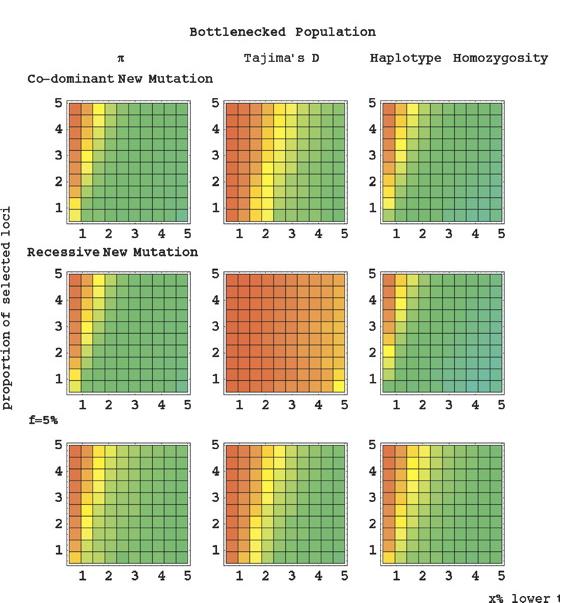 We've folowed much of the story of the gene ASPM here, largely because of the evidence that it has been under selection both along the lineage leading to humans and up to the current day. Evidence for the former has been provided by a number of studies, while evidence for the latter largely from a paper out of Bruce Lahn's lab. The conclusion that the locus is currently under selection was challenged (poorly) in a technical comment in Science last year, and now another technical comment challenges the conclusion for selection again. We've folowed much of the story of the gene ASPM here, largely because of the evidence that it has been under selection both along the lineage leading to humans and up to the current day. Evidence for the former has been provided by a number of studies, while evidence for the latter largely from a paper out of Bruce Lahn's lab. The conclusion that the locus is currently under selection was challenged (poorly) in a technical comment in Science last year, and now another technical comment challenges the conclusion for selection again. This challenge, unlike the last one, cannot be lightly dismissed. A group led by David Reich, prior to the publication of the Lahn paper, had sequenced select parts of the ASPM gene and begun their own analyses of the gene. As they reported last year at a conference, they find no evidence for selection at the locus. How could these two groups come to such different conclusions? It's perhaps worthwhile to highlight the major difference in the two methodologies-- Lahn's group determined the statistical significance of their data using coalescent simulations (that is, they simulated data under a number of different models and see if their actual data is an "outlier" when compared to the simulations), while Reich et al. prefer to compare their data to an empirical distribution (that is, they see if the area in question is an "outlier" compared to other genomic regions). Both of these methods have their problems, something worthwhile to keep in mind the next time you see a small p-value on a statistic. In particular, if one is unable to simulate the precise demographic history of a population, simulation will give biased p-values. Tests based on the empirical distribution generally don't have this issue, but instead assume that only a small proportion of the genome is under selection and that selected loci will be outliers. These are not just questionable assumptions; they have indeed been questioned, and the conclusions are not heartening. The figure on the right is from a paper published in Genome Research that asks, appropriately enough, "How reliable are empirical genomic scans for selective sweeps?". It shows a color coded landscape for the false negative rate (the percentage of selected loci that will be missed in an empirical genome scan) for a population that has experienced a bottleneck (like Europeans) for different statistics and different assumptions about significance thresholds and the precentage of the genome under selection. Red areas are where the false negative rate is near 100%, fading to green at about 50% and finally blue (of which there isn't much in this figure) at 0%. As the authors conclude, "Our simulations suggest that while empirical approaches will identify several interesting candidates, they will also miss many--in some cases, most--loci of interest". So it's certainly possible that this is a case study in the lack of power of empirical distributions to detect selected loci. Of course, maybe not. This analysis certainly does not lend support to the contention that ASPM is under selection, but nor does it eliminate it. It's clear that better tests for selection are needed. Lahn et al. have apparently decided not to respond to Reich et al.; they're likely thinking that this debate will not be resolved until those better tests are devised.
Ann Gibbons reports on the evolution of high altitude tolerance among Tibetans presented at The American Association of Physical Anthropologists meeting last March:
Beall reported at the meeting that women with high levels of oxygen in their blood had more than twice as many surviving babies as had those with low oxygen levels--a ratio of 1:0.44. This is a startlingly strong selection pressure, she says--even stronger than that on the sickle cell gene, which protects against malaria and has a fitness ratio of 1:0.66. From talking to Greg Cochran I am to understand that the Tibetan adaptations result in greater physiological fitness than the strategies in the New World. Certainly it seems that the Andeans utilize a "brute force" technique, just crank out more hemoglobin. The evolutionary context would be that highlands of Peru have been populated by humans influenced by natural selection for only the past few tens of thousands of years (likely closer to the low end), while Eurasia has likely had high altitude living hominids for eons, so the wisdom of selection has had a far longer time to crank out alleles. It is interesting to me that Gibbons uses the sickle cell trait as a point of comparison: this is a recent evolutionary response to a powerful selective pressure, and, a classic case of heterozygote advantage where the population's mean fitness is dragged down by the clumsy and brute force method of this "fix" because of the generation of sicke cell homozygotes. The fact that such genetic variation exists within the Tibetan villages surveyed is somewhat surprising to me insofar as the fitness implications seem so strong that I can not understand why the alleles would have not fixed by now. If it is an overdominant trait, where the heterozygote has greater fitness than the homozygotes, then the variation will be preserved at an equilibrium conditioned by the fitness of the homozygotes. On the other hand, recent migration might have introduced "lowland" alleles into the population. Here is a snip from the author's abstract: ...This paper presents a case study illustrating the human adaptability and quantitative genetic approaches to explaining the unique biological characteristics of Tibetan highlanders that are thought to be adaptations offsetting high altitude hypoxia. There is evidence of strong directional natural selection operating on a major gene for oxygen saturation of hemoglobin in this population, although the genetic locus is not known.... Use of the term "quantitative genetic" implies, to me, a trait with a continuous range. But the impression I got from the quotations above is that the researchers divided women into a few discrete categories (i.e., did they simply compare the fertility of women in category "high oxygen" vs. "low oxygen" or did they did track correlation between oxygen levels and fertility and do a regression to predict the latter from the former?). Finally, reference to a "major gene" means that even if it is a quantitative trait with multiple loci contributing to the total effect there is obviously one locus of large effect. Beall suggests that directional selection is occurring upon this locus, so perhaps the Tibetans are relatively newcomers to their locale if selection is still working to optimize their fitness? Long time readers of this weblog will know that Cynthia Beall has done work in the past which suggests that different highland populations have developed different adaptations to the same problems. With the recent data that is coming out in regards to skin color this should not surprise. In any case, I notice that the NAS has a interview with Dr. Beall, so check it out if you curious.
Tuesday, April 17, 2007
The Scientist has some good quotes in a article on the chimp positive selection story from yesterday:
The screen failed to find evidence for positive selection of two genes involved in brain development and cognition - ASPMM and Foxp2 - that studies have previously identified as positively selected genes in the human lineage. Zhang and Lahn agreed that the discrepancy likely results from differences in statistical power between the methods used in the current study and those used in previous work, which also incorporated polymorphism data. Update: MIT Technology Review has more: To Zhang's surprise and disappointment, the positively selected genes were not related to brain or cognitive function but to more mundane cellular housekeeping duties. "One explanation might be that the number of genes responsible for evolution of the human brain may be very small," Zhang speculates. Labels: Evolution
One of the more interesting parts of the paper reporting the sequencing of the rhesus macaque (also noted by Carl Zimmer) is that a number of mutations that cause Mendelian disease in humans are actually ancestral. That is, people with the disease have mutated to a sequence that's the same as the macaque one. Perhaps most notable are mutations in genes important in amino acid synthesis; one might expect these pathways to be well conserved. As the authors write:
In humans, these mutations greatly perturb the normal serum amino acid levels. Direct examination of macaque blood revealed lower concentrations of cystine and cysteine than in the human and slightly higher concentrations of glycine than in the human, but no increase in phenylalanine or ammonia, which might have been a predicted result of these changes. Although the effect of the observed alleles might be greatly influenced by compensatory mutations or other environmental factors, it remains a possibility that the basic metabolic machinery of the macaque may exhibit functionally important differences with respect to our own.1. This is a strong argument for studying rare Mendelian diseases in humans. People sometimes bitch, "Who cares? Disease X affects 5 people in the entire world, why bother?". The answer, of course, is that those people are the human equivalents of knockout mice (to be horribly cold about it)-- people carrying rare recessive mutations are an important source of information about how those genes work in humans (see also this example), especially if those same genes are involved in different pathways in model organisms like the macaque or the mouse. 2. The ancestral disease alleles are also of prime interest for more detailed studies of selection. Deleterious mutations, of course, always have a probability of becoming fixed in a population; it takes more to show selection. But it's interesting ot note that the authors find a number of the mutations lead to mental retardation in humans. Could some of these genes be involved in human brain expansion and cognitive capabilities? Labels: Evolution, Genetics, Molecular evolution
Monday, April 16, 2007
The times has a mildly stupid article up, Chimps are ahead of humans in the great evolutionary race, which just goes to show that the people writing the headlines often have no comprehension skills, or just don't bother reading more than the first paragraph of a story. As confused as the article is it contradicts such a stark assertion. Here's the important point:
They found 154 human genes that showed evidence of the rapid positive selection that marks out adaptive traits, but 233 chimp genes with the same qualities. Read the article with great caution, some of the sentences are very confused. That being said, I'm less interested in the raw count of differences in regards to evidence of positive selection (which can be sensitive to the test you're using, for example), then what differences exist between the loci in question. If the authors had found something suggestive I'm assuming they would have trumpeted it. Here's the journal reference: Proceedings of the National Academy of Sciences, DOI: 10.1073/pnas.0701705104, so keep an eye out for it (the lab's website gives the title as More genes underwent positive selection in chimpanzee evolution than in human evolution). I'm assuming that this will be the link: http://www.pnas.org/cgi/doi/10.1073/pnas.0701705104. Also, here's something that caught my attention: It is also possible that there are more adaptive genes in the human genome that have been positively selected, but that these emerged too recently to have been detected by the study. Hmm.... Update: Much more intelligible article in ScienceNow. More details about the paper: ...the fast-evolving genes in humans and chimpanzees do not readily account for the obvious physical differences between the two species, Zhang points out. In the chimp, genes that have outpaced those in humans include ones involved in protein metabolism, gene transcription, and stress response. "You wouldn't immediately notice if the chimpanzee has a better stress response than a human," says Zhang. In the human, too, the differences appear to be subtle, with selection working rapidly on genes concerned with fatty acid metabolism and phosphate transport. Regular readers will know that exploring differential gene expression and copy number are hot fields that are coming to the fore. I assume that the paper itself will be a little less annoying than these overwrought popular press articles. (yes, I'm not even addressing the orthogenetic or chain of being talking points, who cares? That's for the general public)
Friday, April 13, 2007
Thursday, April 12, 2007
Via Genetics and Health I came across this story:
But modern-day science often unearths secrets long buried. When the DNA results landed on Isaac Owusu's dinner table here last year, they showed that only one of the four boys - the oldest - was his biological child.... I'm not interested in the details of the story (immigrants who find out their putative children aren't their biological issue). Rather, whenever I bring up paternity I do note angry comments seem to emerge unbidden from regular readers who ordinarily seem placid. Why? The reality in the United States is that it is in the "child's best interest" to have a father, and whoever gets "tagged" with fatherhood has a lifetime's worth of bills. But I'm interested in some more "deep time" questions, because the issue of paternity is important to two threads we've discussed on this weblog of late: facultative homosexuality and selection in pre and post Neolithic societies.  Why is female virginity and fidelity so prized, so honored, unto death, in some societies? Simple: in those societies property is passed down through patrilineages. If the "stranger" happens to be the eldest male in his lineage in a given generation someone who is not of that lineage genetically can have total control over a whole family. In contrast, in many small scale societies which are not necessarily patrilocal (women do not move to the man's house upon marriage) or patrilineal infidelities are of lesser concern because frankly there isn't that much at stake. Males do not control the means of product, nor are they expected to fully support one woman and all her offspring. This is not limited to small scale societies, consider Sambandham, a form of "casual marriage" (rough translation) amongst the matrilineal Nairs of southern India. In contrast in north India Hindus practice strict exogamy and patrlineal descent, as well as thorough patriarchy, enforced by the culture. There is no casual element to marriage, and new brides are assumed to be under the dictatorial and tyrannical rule of their mothers-in-law. In Arab societies the importance of male lines of descent is so important that women are sequestered and protected as pure resources, bearers of the next generation of males to lead the clan. Non-marital sex can have dire functional consequences for dozens or hundreds of people, so it "makes sense" that the harsh regimes we see imposed on young women are operative amongst Arabs. Most societies do not lay at either extreme, consider that Genghis Khan's main wife was kidnapped and raped early on in their marriage, and so the paternity of his eldest "son," Jochi, was always in doubt. Though he acknowledged Jochi as his son the uncertainty about his paternity led to him being passed over for the preeminent position amongst his brothers and was the root of tensions which resulted in a rift with his "father." Why is female virginity and fidelity so prized, so honored, unto death, in some societies? Simple: in those societies property is passed down through patrilineages. If the "stranger" happens to be the eldest male in his lineage in a given generation someone who is not of that lineage genetically can have total control over a whole family. In contrast, in many small scale societies which are not necessarily patrilocal (women do not move to the man's house upon marriage) or patrilineal infidelities are of lesser concern because frankly there isn't that much at stake. Males do not control the means of product, nor are they expected to fully support one woman and all her offspring. This is not limited to small scale societies, consider Sambandham, a form of "casual marriage" (rough translation) amongst the matrilineal Nairs of southern India. In contrast in north India Hindus practice strict exogamy and patrlineal descent, as well as thorough patriarchy, enforced by the culture. There is no casual element to marriage, and new brides are assumed to be under the dictatorial and tyrannical rule of their mothers-in-law. In Arab societies the importance of male lines of descent is so important that women are sequestered and protected as pure resources, bearers of the next generation of males to lead the clan. Non-marital sex can have dire functional consequences for dozens or hundreds of people, so it "makes sense" that the harsh regimes we see imposed on young women are operative amongst Arabs. Most societies do not lay at either extreme, consider that Genghis Khan's main wife was kidnapped and raped early on in their marriage, and so the paternity of his eldest "son," Jochi, was always in doubt. Though he acknowledged Jochi as his son the uncertainty about his paternity led to him being passed over for the preeminent position amongst his brothers and was the root of tensions which resulted in a rift with his "father."What does this mean for the evolution of human societies? We've alluded to the power of reproductive skew and within group variance being heightened after the transition to mass societies because of the spread of agriculture. We've also alluded to the possibility of metapopulation dynamics and within group dampening of status & reproductive variance in hunter-gatherer conditions. Though it is a rare individual who takes no interest in the fidelity of his putative mate, the study of small scale societies seems to suggest that the extreme tendencies of Arab cultures are not manifest within them. Rather, infidelity generates discord, irritation or anger, but there are no great material or status inheritances at stake. But once super-males arose with mass societies and the emergence of "men in groups" then the stakes were raised. Harems guarded by eunuchs are the logical end stage of the development of the super-male optimal strategy, but there are many small steps along the way. Pre-Neolithic societies were never "matriarchal" and "peaceful," and I suspect that Marijas Gimbutus' Old Europe was no such culture. But, Old, Old Europe might have been a bit less fixated on sexual paternity because the stakes across the generations were just not as large. Related: How Well Does Paternity Confidence Match Actual Paternity? Labels: Evolution
Wednesday, April 11, 2007
AP and others have the story.
Benedict added that the immense time span that evolution covers made it impossible to conduct experiments in a controlled environment to finally verify or disprove the theory. Setting aside the inappropriately narrow view of how science is done, this is factually incorrect. 10k E. coli generations take ~1 year. 10k yeast generations is <2 years. There are yeast strains that have been evolving in wine for hundreds of years. See also chemostat
Rooting Out the Robin Hood Effect:
After several rounds, a noticeable pattern emerged: The rich suffered, and the poor got a helping hand. Over 70% of the money spent to drain another player's purse was directed at richer players, while around 60% of income-boosting spending went to poorer players, the team reports tomorrow in Nature. What's more, the poorest participants spent almost twice as much money draining incomes than top earners did, and the top earners spent 77% more than the poorest players to boost lower incomes. Now, from page 156 of Evolution for Everyone: ...Lee's informant [amongst the Bushmen] was perfectly aware of the purpose of all this jesting: "When a young man kills much meat, he comes to think of himself as a chief or a big man, and he thinks the rest of us as his servants or inferiors. We can't accept this. We refuse one who boasts, for someday his pride will make him kill somebody. So we always speak of his meat as worthless. In this way we cool his heart and make him gentle. The author's point is to the illustrate the emergence of groups amongst humans, and how they dampen within group differences. He uses the literature to show that our closest relatives, the chimpanzees, tend to be less egalitarian in this manner than small scale societies. Amongst our cousins to the alpha males go all the spoils. This is interesting especially in light of Herrick's earlier post about the possibility that post-Neolithic populations shifted from one of predominant between group (band) selection (i.e., the importance of metapopulation dynamics) to within group selection (i.e., the rise of the super alpha male). One consequence of mass societies is that concerns like the one above seem old-fashioned, and certainly the scope of human "groups" today on the level of nationalities is simply too large to constrain the ego driven quest for status of superior individuals. Between group selection needs groups of small size, and many of them. One may posit a two-step process that led to the crystallization of modern human society as we know it. First we made the transition from individuals competing within a loose social matrix to that of the tightly bound small groups which acted in concert against each other, then again at the rise of mass societies spurred by agriculture individuals and smaller groups (families, guilds, etc.) operated in a much more complex and multi-faceted conditonal manner to maximize their fitness. Labels: Evolution
Rereading some chapters of Sewall Wright & Evolutionary Biology I was struck by the author's contention that Sewall Wright's relatively close relationship with Theodosius Dobzhansky was spurred on by the collaboration between R.A. Fisher & E.B. Ford. What theory Fisher propounded, Ford was reliably keen to find data for. With the rift and rivalry between Wright & Fisher in the early 1930s, Dobzhanksy emerged as an empirically minded confederate who Wright viewed as a possible source of data which would confirm his own hypotheses. The reality (to me) seems that both Wright and Fisher were making grand theoretical assertions beyond the discriminating power of the empirical tests of the time, but it is interesting to human nature playing within science, even as the scientists (Fisher in particular) in question were keen theorists of just that nature.
Tuesday, April 10, 2007
I want to clarify a few points that I alluded to below. The fact that lactase persistence is nearly fixed in northern Europe can be used to make obvious inferences about the culture of this region. Cultural traditions clearly shaped via direct selection the gene frequencies and therefore the expressed phenotype. But most gene-trait relations that we are interested in are more complex, and the selection regime is less cut & dried. When it comes to "culture," broadly speaking (as opposed to something very precise such as the utilization of dairy in the daily diet), it is hard to make generalizations which yield us more information than we started with. One of the problems that crops up is that written texts, and avowed norms, can give a skewed perspective of the reality in the past and present.
If aliens looked at the preserved letters of Roman nobility such as Symmachus as the models for the nature of ancient Latin, they would likely be very mistaken. The likely reality is that modal Latin spoken by the masses was very different from elite Latin preserved in the extant literature, and can be gauged by the fact that Christian church made a proactive effort to recruit more of the elite into the priesthood because of the awkwardness that occurred when common preachers addressed upper class parishioners in "rough" dialect. There is also the issue that avowed norms are not always practiced widely. In Mother Nature Sarah Blaffer Hrdy observes that the lower caste vassals of the Masai espouse the same preference for sons that their overlords do, but mysteriously their mortality rates are inverted from that the Masai so that female children seem to do better than male children. The functional explanation is pretty obvious, female children can "marry up" into the Masai, while male children have far less chance of social mobility. This Trivers-Willard effect has been discerned in other situations, but, the fact that extant documentary evidence tends to skew toward the upper classes often masks the extent of daughter-preference among the lower orders (e.g., a survey of cemeteries of peasants in medieval Europe showed a bias toward youg male offspring). Additionally, modernization tends to result in the inevitable percolation of elite norms down to the masses, in India this can be seen in the spread of dowry during the early 20th century downward from the upper castes and the extinction of the practice of brideprice (where the family of the bride receives payment). But sometimes even in these societies modernization does only so much, ethnographic studies of the Khasi (a matrilineal society) and neighboring Bengalis (a patrilineal society) showed that both societies exhibited the maternal "grandmother effect" insofar as grandmothers favored the offspring of their daughters more than their sons. This should not surprise in regards to the Khasi, who are matrilineal, and where men and women are relatively equal in their relationship, but Bengalis notionally base their society around male descent groups. Like most north Indian societies women are strangers in their husband's houses (patrifocality is the norm, in contrast again to the Khasi), and their children are members of their husband's family. But the reality is often far different, in my own family my mother would wryly observe that it is somewhat indecent that her children have a closer relationship to her brothers (our maternal uncles) than to my father's brothers and sisters. Though this is not "decent," it is an ancient pattern attested within Indo-European societies. Anthropologically the explanation is often that maternal uncles can be assured of relation to their nieces and nephews by their sister to a greater extent than paternal uncles can be to their nieces and nephews by their brother. This is not a line of thinking which would be greeted positively by traditional Bengalis of course. In any case, a few months ago I thought about the possible shallowness (or recency) of such avowed social norms when an acquaintance of mine told me the following story: basically, he had left a non-profit in Afghanistan. The reason was that his boss was having an affair with a woman who was also employed by this NGO. My acquaintance's boss was married to a close friend of his, and the "other woman" was engaged to a fellow Pashtun in Kabul. The short of it is that everyone knew of the affair in the organization, and some of them who were posted in Kabul were not happy with the possibility that a family tragedy might arise out of this, especially with the woman's impending marriage. Now, I bring this up because Pashtuns are pretty freaky about how much they control their womenfolk. When my father was a student in Pakistan the locals explained that whenever you saw one man chasing after another with a scythe or any other such dangerous implement it was likely to be a Pashtun. The locals thought it was great fun and seemed to act as if this was normal (this was Islamabad in the late 1960s). It was simply the "Pashtun way." And yet was this always the Pashtun way? The woman who I allude to above seemed to have sexual feelings which allowed her to indulge in very dangerous activities (in the context of Pashtun culture). For gene-culture coevolution to work the selection must either be persistent or powerful. Because of the variation of cultures over time in regards to particular traits persistence is often difficult. As to the strength or power of selection, I suspect that though it can be powerful in a small segment of the population, for most of history formalized norms codified in the texts which we analyze to make sense of the past were relevant for the elites. This means that the majority of the population lived "pre-civilized" lives as producers of surplus for the elites, who were the engines and consumers of civilization. Addendum: I've re-edited the part about the NGO & Afghanistan to be more general so that individuals can't figure out who I was talking about (in case you saw version 1). I myself don't know.
Monday, April 09, 2007
There are two articles of note in The New York Times up about about human sexuality, one by Nick Wade, and another by Natalie Angier. I found the Angier article too verbose, and Wade's was a bit simplistic, but reading them both emphasizes some insights from sex research. First, men and women are different, and in particular males seem to be more exclusively hetero or homosexual. No surprise to anyone. Additionally, there is within population variation in sexual response and attitudes. Some of this, I suspect, is due to the prevalence of mixed-strategies within the human population. In other words, negative frequency dependent selection maintains some behavioral tendencies within the population at low proportions. But I was especially interested in this:
Romantic love, which in its intense early stage "can last 12-18 months," is a universal human phenomenon, Dr. Fisher wrote last year in The Proceedings of the Royal Society, and is likely to be a built-in feature of the brain. Brain imaging studies show that a particular area of the brain, one associated with the reward system, is activated when subjects contemplate a photo of their lover. I read a fair amount of history, and historians often say things like "love was invented by the troubadours in the 14th century in the Provence." But what does "love" mean? Clearly not all cultures lionize romantic love to the same extent, but, the idea of the love ballad or stories of tragic love seem universal. Some of you may know that I've been interested in the levels of selection debate: to me the universality of the psychological propensity toward love is a strong argument for the power of within group selection as opposed to between group selection. As the story of Romeo and Juliet illustrates romantic love across group boundaries can cause serious problems. The most extreme form of arranged marriages are normative in many "advanced traditional" societies (e.g., parts of Eurasia with a long history of complex civilization), and especially prevalent amongst elites for whom marriage ties serve as bounds which cement between family alliances. And the norms of society can make many individuals comfortable with the idea of arranged marriage, but it seems that it is rather easy to change these attitudes in the offspring of immigrants who come from cultures where arranged marriage is the norm. Parents may attempt to inculcate the importance of arranged marriage in their children, but unlike say nominal religious affiliation, this is one case where parent-child transmission exhibits a great deal of erosion. Labels: Evolution  I've worried before about the evolution of antibiotic resistance and its potential impact on human health. In that post, I noted that I've worried before about the evolution of antibiotic resistance and its potential impact on human health. In that post, I noted that The one thing we have going for us is that we understand the basics of evolution-- that is, we can predict how a population of bacteria will respond to the next antibiotic, and we have an idea of the population dynamics at work as resistance spreads. I have the feeling that somehow this information could be used to defuse the "arms race", but I'm not sure how... It turns out other people have better imaginations than I; check out this paper, Antibiotic interactions that select against resistance. From the abstract: Normally, the presence of a drug confers an advantage on its resistant mutants in competition with the sensitive wild-type population1. Here we show, by using a direct competition assay between doxycycline-resistant and doxycycline-sensitive Escherichia coli, that this differential selection can be inverted in a hyper-antagonistic class of drug combinations. Used in such a combination, a drug can render the combined treatment selective against the drug's own resistance allele...Our findings demonstrate a previously unappreciated feature of the fitness landscape for the evolution of resistance and point to a trade-off between the effect of drug interactions on absolute potency and the relative competitive selection that they impose on emerging resistant populations. The idea is simple: imagine a combination of antibiotics in which the combined effect is weaker than that of one of the drugs alone (the curve labeled "suppression" in the figure). You might normally want to avoid this situation. But if the combined effect is weaker than the effect of a single drug alone, a resistant bacteria might only see the effect of one of the drugs, which, in this case, is stronger than the combination. Thus, selection against resistance. It's quite clever. Of course, it's far from being implemented-- in their toy situation, only resistance against one of the drugs is being selected against, so resistance against the other drug is a possibility. A detailed analysis of the paramter space for multi-drug combinations, plue empirical measurements of multiple drug interactions, would go a long way. Also, these experiments were done with sublethal concentrations of the drugs in a pretty contrived situation. Nonetheless, this is really cool. Could "applied population genetics" become a real field?
Sunday, April 08, 2007
 A friend pointed to this article in The Economist, China's dairy industry, which chronicles the recent problem of oversupply. Apparently, due to a recent fad amongst the urban middle class to drink milk & milk products many Chinese farmers began to buy cows to produce milk. The problem is that supply quickly outstripped the demand, which you can see is leveling off. A friend pointed to this article in The Economist, China's dairy industry, which chronicles the recent problem of oversupply. Apparently, due to a recent fad amongst the urban middle class to drink milk & milk products many Chinese farmers began to buy cows to produce milk. The problem is that supply quickly outstripped the demand, which you can see is leveling off.Does this surprise? It shouldn't. The Chinese are notoriously lactose intolerant. This doesn't mean that they explode when drinking milk, rather, large quantities of lactose in the digestive systems of those without the functioning lactose enzyme are undigested, and, can result in the emergence of a set of intestinal flora which result in gas, irritable bowel syndrome and at the extreme, diarrhea. Though none of these are life threatening in a modern context, they are not the recipe which suggests possible repeat customers. I was especially struck by this statement: "Officials are not giving up. To the industry's delight, the prime minister, Wen Jiabao, visited a dairy farm last year and said his dream was that all Chinese drink half a litre of milk a day, especially schoolchildren." Now, one study reported that 20% of Japanese adults exhibited physiological response of lactose intolerance when about 7 ounces of milk were ingested. Half a liter is closer to 17 ounces (yes, I know that Japanese and Chinese are different, but not on this phenotype).
Saturday, April 07, 2007
David Sloan Wilson, the doyen of Multilevel Selection theorists, has a new book out, Evolution for Everyone: How Darwin's Theory Can Change the Way We Think About Our Lives. It seems pretty clear to me that Wilson is trying to "do a Dennett" here. But unlike Dennett, who was not a scientist himself and so operated within standard evolutionary science by regurgitating Richard Dawkins' work (who was himself simply a channel for W.D. Hamilton and John Maynard Smith), Wilson is known to be something of a heterodox figure because of his emphasis upon higher levels of selection than the individual. Via these models of interdemic (group) selection Wilson has attempted to revive functionalism within anthropology (see Darwin's Cathedral). An extract of his book up over at the The New York Times:
If our own species can be included in this grand synthesis, there is every reason to do so. It would be like a strange figure emerging from the shadows to enjoy the warmth of a campfire with good company. My own career shows that this is possible. Just like Darwin-not because I share his personal attributes but because I share his theory-I have seamlessly added humans to the bestiary of animals that I study, on topics as diverse as altruism, beauty, decision making, gossip, personality, and religion. I publish in anthropology, economic, philosophy, and psychology journals in addition to my biological research.... Having reread Unto Others: The Evolution and Psychology of Unselfish Behavior, which Wilson co-wrote with Elliott Sober, I am not surprised at the boasting above. Unlike Darwin or E.O. Wilson, David Sloan Wilson doesn't mask his ego under a self-deprecating exterior, he makes it clear that other scientists just lack his subtle perspective, his Olympian breadth of knowledge. Other scientists find math hard, are cowed by Political Correctness and swept along with the latest scientific fashions. They can't see what's right before their noses, mere mortals that they are. Wilson's ego is big enough to venture boldly into some pretty treacherous waters, recall that several years ago he wrote to defend Kevin Mac Donald against charges of anti-Semitism (Mac Donald works within a group selectionist framework). Unlike some of the cheerleaders for group selection theory he notes in Unto Others that shifting the level of selection up the hierarchy simply moves the conflict to that level (i.e., from inter-individual to inter-group). At the end of the day I often find Wilson's work just a bit too clever by a half, but I'll pick up this book for laughs and the bibliography. Even if Wilson's ideas are crap because all sorts of stuff have been blended together to produce a confused mush, the raw material of his sources are often quite illuminating. Labels: Evolution
Thursday, April 05, 2007
DNA study sheds light on dog size:
The new research suggests that a mutation in this gene [IGF-1] led to the appearance of small dogs more than 10,000 years ago.  I say that we should research a way to resurrect sub-fossilized humans so that the individual who let this mutant "tiny dog" survive can be killed. I mean, how many time have you been walking down the street and a midget dog is barking their head off in your direction? Perhaps there is pleiotropy so that small size is inversely proportional to obnoxiousness? I mean, if you're that unpleasant in regards to personality you better look like a mushed up furry ass baby! I say that we should research a way to resurrect sub-fossilized humans so that the individual who let this mutant "tiny dog" survive can be killed. I mean, how many time have you been walking down the street and a midget dog is barking their head off in your direction? Perhaps there is pleiotropy so that small size is inversely proportional to obnoxiousness? I mean, if you're that unpleasant in regards to personality you better look like a mushed up furry ass baby!
Wednesday, April 04, 2007
In a recent post on Sewall Wright I discussed some of the difficulties of Wright's work and mentioned that I had been unable to find a derivation of a certain formula in his paper Systems of Mating Part 1. On the remote chance that someone somewhere is tearing their hair out over the same problem, I should mention that I have now found a derivation and will include it in a subsequent post.
Meanwhile, as often happens, I have been sidetracked by related issues: in this case, the so-called debate between Mendelians and Biometricians in the early years of the 20th century, and the work of Pearson, Yule, Fisher and others on the genetic correlation between relatives. (See also Razib's very interesting post here.) As this is relevant to Wright's early work, I may write a post on it before I come back to Wright. Labels: Evolution
Monday, April 02, 2007
There's a new article that's going to come out in PNAS which reports the discovery of a find which exhibits predominantly modern human morphology with some archaic features, and those archaic features seem to be derived from local hominid populations. They've dated it to around ~40,000 years ago, which is important since East Asia is something of a black hole in regards to archaic H. sapiens (i.e., there's some very ancient erectus finds like Peking Man from millions of years in the past, and recent human reminds from the past 10,000 years, but little which sketches out the past few hundred thousand years). The BBC has the best write up so far. Don't believe the stuff about "debunking Out of Africa," one fossil does not a paradigm shatter. Rather, I think these finds are pretty good evidence for genetic assimilation of archaic substratum into the expanding wave of Africans. An important background fact to keep in mind: H. erectus and direct descendants of the original erectine populations were resident in East Asia until a rather recent period. One line of thought connects the extinction of erectus populations explicitly with the Out of Africa burst presumed to have occurred around 50,000 years ago.
Update: Science has a nice summary. Related: Of lice & men. Erectine harems. Update: John Hawks weighs in.
Sunday, April 01, 2007
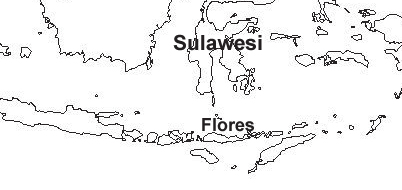 I just finished reading a review copy of A New Human: The Startling Discovery and Strange Story of the "Hobbits" of Flores, Indonesia. The title says it all, and one of the authors is Michael Morwood, one of the lead researchers of the group which published the initial papers. Definitely not a "fair & balanced" work,1 though reasonably interesting (I found the ethnology and evolution more interesting than the stratigraphy and tephrochronology, but that's just me). One of the surprising assertions that Morwood makes (foreshadowed early on) is that the H. floresiensis was derived from a popuation which likely came from the north, in particular the island of Sulawesi. Morwood's argument derives from reading the ocean currents (north to south) in the region, and the nature of the local island biogeography. He also suggests that it is likely that the first modern humans arrived on Flores with the Papuan expansion less than 10,000 years ago (due to the emergence of the garden-culture complex based around yams, taro, etc.). An implication of Morwood's reading of the nature of the spread of mammals in east-central Indonesia is that the initial colonization of Australiasia might have occurred via a "northern" route, from Sulawesi to the east, rather than stepping from Java, to Bali, to Lombok, and so forth. I just finished reading a review copy of A New Human: The Startling Discovery and Strange Story of the "Hobbits" of Flores, Indonesia. The title says it all, and one of the authors is Michael Morwood, one of the lead researchers of the group which published the initial papers. Definitely not a "fair & balanced" work,1 though reasonably interesting (I found the ethnology and evolution more interesting than the stratigraphy and tephrochronology, but that's just me). One of the surprising assertions that Morwood makes (foreshadowed early on) is that the H. floresiensis was derived from a popuation which likely came from the north, in particular the island of Sulawesi. Morwood's argument derives from reading the ocean currents (north to south) in the region, and the nature of the local island biogeography. He also suggests that it is likely that the first modern humans arrived on Flores with the Papuan expansion less than 10,000 years ago (due to the emergence of the garden-culture complex based around yams, taro, etc.). An implication of Morwood's reading of the nature of the spread of mammals in east-central Indonesia is that the initial colonization of Australiasia might have occurred via a "northern" route, from Sulawesi to the east, rather than stepping from Java, to Bali, to Lombok, and so forth.I'll probably have more comment later. 1 - John Hawks is noted as one of the individuals at "one end of the spectrum" in regards to asserting that the LB1 fossil was pathological. Labels: Evolution
Friday, March 30, 2007
Some new data to throw into the argument about the origin of light skin (it seems that dark skin obviously arose when we lost our fur, seeing as functional constraint is strong in dark-skinned populations and unexposed skin in our nearest primate relatives is pink). From Dienekes:
Women have lighter skin than men do across a wide range of populations, even on the unexposed skin of the upper inner arm, possibly because of sexual selection by men for lighter-skinned women. If this hypothesis is true, human skin color should become more sexually dimorphic with increasing distance from the equator, since sexual selection for lighter skin in women would be less constrained by natural selection for darker skin in both sexes. Yet when Madrigal and Kelly (2006) analyzed skin reflectance data from 53 different samples, they found that the most dimorphic human populations were actually those of medium skin color at medium latitudes. Dienekes presents some values, and suggests that "In these data points it looks to me that Iranians and Kurds have the highest sexual dimorphism." I don't know what to make of that. Recall that sexual dimorphism often arises rather slowly as a genetically coded trait because obviously if you select for one sex at one end of the population range (sexual selection usually operates via male reproductive skew in most populations), their opposite sex offspring should also skew in that direction. A more complex genetic architecture which takes into account modifier genes on sex chromosomes (which will differ across sexes), or modulation via expression of sex hormones (which are dependent upon loci on those sex chromosomes ultimately, like SRY), seems necessary. Also, I was skimming through Nina Jablonski's Skin:A Natural History and on page 89 she states: "...one consistent observation is that women have lighter skin color than men. This is true for all indigenous peoples, even for those who are very dark-skinned, among whom such differences are not readily visible...." Jablonski's own hypothesis is presented in her paper The Evolution of Human Skin Color: ...the lighter skin pigmentation of females is needed to permit relatively greater UV light penetration of the integument for previtamin D3 synthesis. The extra calcium needs of females during pregnancy and lactation are met by increasing plasma concentrations of 1.25-dihydroxyvitamin D, which in turn enhances calcium absorption in the intestine.... Pregancy and lactation are critical periods which determine fitness. By focusing on this Jablonski gets a pretty good yield in terms of differential fecundity. She does not dismiss the importance of sexual selection as a secondary or subsequent factor in generating or heightening dimorphism. For the general interpopulation variation in skin color Jablonski focuses upon the balance between the need to prevent the breakdown of folate (due to UV) and produce enough vitamin D (also due to UV). She points to the Inuit as exceptions that prove the rule, insofar as their dark-skin is comprehensible because their diet is rich in vitamin D. From the genomic perspective we know that the architecture varies by location for similar phenotypic outcomes in regards to skin color. Even if the locus where a derived allele emerges is the same across two populations to generate the same phenotype (or contribute to the overall effect), that allele is often different, suggesting an independent mutational event. I would not be surprised if varied selective forces end up shaping human skin color variation. Though the correlation between UV and skin color is pretty clear, that may simply be the first principle component, with other factors rounding out the variation.... Update: Just an additional thought: a lot of the genomic data suggests recent selective sweeps on some of the genes for light skin (e.g., a variation of MC1R in China, the SLC45A2 derived allele in Europe, etc.). I think this is a big weakness in the model proposed by Jablonski, after all, it isn't like humans just showed up in northern Eurasia within the last 10,000 years. So what gives? I suspect that the lack of variety in the diets of agricultural peoples is an important factor. In other words, the more varied diet of hunter-gatherers (or late Ice Age big game hunters) didn't necessitate skin lightening to increase Vitamin D synthesis. Or, there are other selective pressures which we don't know about. Labels: Evolution, Genetics, Pigmentation
Friday, March 23, 2007
On the chat over the past few weeks I've been recommending that people just read the first half of The Genetical Theory of Natural Selection to get the most out of GNXP. I say this because I know time is finite, and it isn't like most people have time to read The G Factor, Hartl & Clark or Falconer. Though there is a lot that is wrong with The Genetical Theory of Natural Selection (e.g., a whole chapter on R.A. Fisher's theory about the evolution of dominance?), it still seems a succinct introduction to thinking about evolution as more than an open-ended description about the natural world (in contrast, Sewall Wright or W.D. Hamilton were both more expansive in their prose, whiel J.B.S. Haldane seems to be a bit scattershot and without the thematic coherency that one would prefer). Do readers have other suggestions? The amount of marginal time individuals have varies, so restricting to one book isn't really necessary, though for those in careers which require 60-70 hours (in which case, why the hell are you reading a weblog???) only one book is likely practicle.
Wednesday, March 21, 2007
Over at her website Judith Rich Harris has posted her article, Parental Selection: A Third Selection Process in the Evolution of Human Hairlessness and Skin Color. When I asked Judy 10 questions I expressed some skepticism about this theory:
4) In your 2005 response to the Edge Question, "What Do You Believe Is True Even Though You Cannot Prove It?," you alluded to two things, 1) selection for light skin 2) hairlessness by parents in infants. When you pointed to these facts, did you do so in light of recent genetic work which suggests that dark skin might have evolved in humans as a response to loss of body hair? In other words, one trait would never been selected for if not for the other. Here is the abstract from the artice: It is proposed that human hairlessness, and the pale skin seen in modern Europeans and Asians, are not the results of Darwinian selection; these attributes provide no survival benefits. They are instead the results of sexual selection combined with a third, previously unrecognized, process: parental selection. The use of infanticide as a method of birth control in premodern societies gave parents - in particular, mothers - the power to exert an influence on the course of human evolution by deciding whether to keep or abandon a newborn infant. If such a decision was made before the infant was born, it could be overturned in the positive direction if the infant was particularly beautiful - that is, if the infant conformed to the standards of beauty prescribed by the mother's culture. It could be overturned in the negative direction if the infant failed to meet those standards. Thus, human hairlessness and pale skin could have resulted in part from cultural preferences expressed as decisions made by women immediately after childbirth. First, on a pedantic note, let me lodge my general protest in regards to the assumed decomposition of natural, sexual, and, Judy's putative third factor, parental selection. I'm reading some cognitive psychological work now about categorization and one thing that struck me as very apt in regards to how humans conceptualize the world is that we're always trying to break nature apart its joints, so to speak. Most regular readers know I'm a fan of consilience, and so I must reiterate and be a nag about the fact that many dynamic selective processes may bound in nature, but fundamentally they're all of a piece. As J.B.S. Haldane said: fitness is a bugger, naming selection is easy, characterizing it both accurately and precisely can often be very hard. The gene is the unit of selection, the various levels and dimension are all equal under God's eye. In any case, to the thrust of the hypothesis. First, in the past few years a lot of work has been done on skin color. Last year I observed that Armand Leroi's afterward to Mutants where he notes that we don't understand skin color will need a coda in future editions. Here's what we know, so far.... 1) In the 1960s human geneticists using classical pedigree analysis determined that 4-5 loci, genes, explained most of the intergroup variation between blacks and whites in regards to skin color. 2) In the past few years genomics has generally confirmed this view, there are a few loci of large effect (e.g., SLC24A5 in Europeans vs. non-Europeans) which explain intergroup differences in complexion. 3) But, equivalent phenotypic values can be attained via alternative genetic architectures, and this seems to have happened. In other words, light-skinned northeast Asians are not necessarily light for the same reason that Europeans are. Even if the change occurs upon the same locus, the allele or haplotype may be different. 4) Different evolutionary dynamics might affect the various loci. For example, in Europeans MC1R is highly polymorphic, suggesting either diversifying selection (e.g., frequency dependence) or a deep coalescence time (perhaps MC1R built up a great deal of variation during the residence of hominid lineages in Europe and modern humans simply assimilated the local depigmentation alleles?). 5) Also, some of these loci under selection seem to be relatively recent (e.g., perhaps within the last 10,000 years). Like LCT (lactase persistence) they leave a powerful imprint on the genome via a selective sweep. How does this square with the hypothesis presented above? First, some prelims. Selection of all sorts can be hard to get a grip on. After all, we bandy about selection coefficients, s, in a vacuum, when they vary within their environmental contexts. Environment in this case can mean the natural world, the social world and other genetic parameters (via genetic interactions). Negative frequency dependence also throws a monkey wrench into these processes by making the selection coefficient a function of the frequency of the traits. But we need to start from simple models and build up in complexity. The example of the !Kung woman who did not want to kill her light-skinned daughter is illustrative of Judy's hypothesis, but, it is simply a starting point. Nevertheless, I think it highlights a weakness: the genomic data is shedding light on the possibility that selection for loci which cause light skin (or, more properly explain a proportion of the intergroup variance) occurred long after the first humans settled the temperate zone. If the parental preference for light skin (which derives from the deep seated sensory bias which is also the root of sexual selection) existed prior to the arrival in the northern latitudes why is it that Eurasian populations seem to exhibit pulses of selection relatively late in history? One could make the argument, assuming that parental and sexual selection were paramount, that child and mate choice were simply not operative prior to this time period. Sexual selection works ideally through polygynous mating systems where there is a great deal of reproductive skew. Peter Frost has argued that blondeness in European females emerged through a form of sexual selection where males selected from a finite sample space of females because of the nature of the low latitude tundra, but the operative principle is the same, selection upon heritable variation. Perhaps within the last 10,000 years large boom and bust cycles in populations through the World Island has resulted in truncation selection events which reshaped the genomes (and generated high selection coefficients who show up in the long haplotypes)? I really don't know, but, I think one must say that it is more complex and contingent than a simple relaxation of functional constraint and the operation of innate preferences. Additionally, I don't see much exposition of the details of sexual selection theory in Judy's article. For example, runaway sexual selection occurs very fast, and is often quickly checked by functional constraints. I believe that her hypothesis about light skinned preference being very deep implies some sort of sensory bias. The intersexual difference in coloration is obviously real. There are biological reasons for this (hormone levels), but the cultural amplifiers of this tendency are rather universal. On this point the hypothesis is on strong ground, civilizations throughout the world seem to value female (relative) paleness. But, I think this point still goes back to my previous issue in regards to time scale: is this a phenomenon of the mass societies? In any case, I'll leave it at that. There's a lot to chew on here. My main point of contention with this hypothesis is that I think the time depth is off. The most current results out of genomics suggest repeated and independent evolutionary sweeps in northern Eurasia at various times generating the phenotype of light skin. If the preference for light skin is deep within our natures, even predating bipedalism, it seems that it should have manifested immediately with the move of H. sapiens sapiens to the northern latitudes 30,000 years ago. Labels: Evolution, Genetics, Human Evolution, Pigmentation |
  Razib's Home Page GNXP Archives Interviews Blogroll Principles of Population Genetics Genetics of Populations Molecular Evolution Quantitative Genetics Evolutionary Quantitative Genetics Evolutionary Genetics Evolution Molecular Markers, Natural History, and Evolution The Genetics of Human Populations Genetics and Analysis of Quantitative Traits Epistasis and Evolutionary Process Evolutionary Human Genetics Biometry Mathematical Models in Biology Speciation Evolutionary Genetics: Case Studies and Concepts Narrow Roads of Gene Land 1 Narrow Roads of Gene Land 2 Narrow Roads of Gene Land 3 Statistical Methods in Molecular Evolution The History and Geography of Human Genes Population Genetics and Microevolutionary Theory Population Genetics, Molecular Evolution, and the Neutral Theory Genetical Theory of Natural Selection Evolution and the Genetics of Populations Genetics and Origins of Species Tempo and Mode in Evolution Causes of Evolution Evolution The Great Human Diasporas Bones, Stones and Molecules Natural Selection and Social Theory Journey of Man Mapping Human History The Seven Daughters of Eve Evolution for Everyone Why Sex Matters Mother Nature Grooming, Gossip, and the Evolution of Language Genome R.A. Fisher, the Life of a Scientist Sewall Wright and Evolutionary Biology Origins of Theoretical Population Genetics A Reason for Everything The Ancestor's Tale Dragon Bone Hill Endless Forms Most Beautiful The Selfish Gene Adaptation and Natural Selection Nature via Nurture The Symbolic Species The Imitation Factor The Red Queen Out of Thin Air Mutants Evolutionary Dynamics The Origin of Species The Descent of Man Age of Abundance The Darwin Wars The Evolutionists The Creationists Of Moths and Men The Language Instinct How We Decide Predictably Irrational The Black Swan Fooled By Randomness Descartes' Baby Religion Explained In Gods We Trust Darwin's Cathedral A Theory of Religion The Meme Machine Synaptic Self The Mating Mind A Separate Creation The Number Sense The 10,000 Year Explosion The Math Gene Explaining Culture Origin and Evolution of Cultures Dawn of Human Culture The Origins of Virtue Prehistory of the Mind The Nurture Assumption The Moral Animal Born That Way No Two Alike Sociobiology Survival of the Prettiest The Blank Slate The g Factor The Origin Of The Mind Unto Others Defenders of the Truth The Cultural Origins of Human Cognition Before the Dawn Behavioral Genetics in the Postgenomic Era The Essential Difference Geography of Thought The Classical World The Fall of the Roman Empire The Fall of Rome History of Rome How Rome Fell The Making of a Christian Aristoracy The Rise of Western Christendom Keepers of the Keys of Heaven A History of the Byzantine State and Society Europe After Rome The Germanization of Early Medieval Christianity The Barbarian Conversion A History of Christianity God's War Infidels Fourth Crusade and the Sack of Constantinople The Sacred Chain Divided by the Faith Europe The Reformation Pursuit of Glory Albion's Seed 1848 Postwar From Plato to Nato China: A New History China in World History Genghis Khan and the Making of the Modern World Children of the Revolution When Baghdad Ruled the Muslim World The Great Arab Conquests After Tamerlane A History of Iran The Horse, the Wheel, and Language A World History Guns, Germs, and Steel The Human Web Plagues and Peoples 1491 A Concise Economic History of the World Power and Plenty A Splendid Exchange Contours of the World Economy 1-2030 AD Knowledge and the Wealth of Nations A Farewell to Alms The Ascent of Money The Great Divergence Clash of Extremes War and Peace and War Historical Dynamics The Age of Lincoln The Great Upheaval What Hath God Wrought Freedom Just Around the Corner Throes of Democracy Grand New Party A Beautiful Math When Genius Failed Catholicism and Freedom American Judaism
Archives
July 2005 August 2005 September 2005 October 2005 November 2005 December 2005 January 2006 February 2006 March 2006 April 2006 May 2006 June 2006 July 2006 August 2006 September 2006 October 2006 November 2006 December 2006 January 2007 February 2007 March 2007 April 2007 May 2007 June 2007 July 2007 August 2007 September 2007 October 2007 November 2007 December 2007 January 2008 February 2008 March 2008 April 2008 May 2008 June 2008 July 2008 August 2008 September 2008 October 2008 November 2008 December 2008 January 2009 February 2009 March 2009 April 2009 May 2009 June 2009 July 2009 August 2009 September 2009 October 2009 November 2009 December 2009 January 2010 February 2010 Hello Movable Type archives August 11,2002 August 18,2002 August 25,2002 September 01,2002 September 15,2002 October 20,2002 December 08,2002 December 22,2002 December 29,2002 January 05,2003 January 12,2003 January 19,2003 January 26,2003 February 02,2003 February 09,2003 February 16,2003 February 23,2003 March 02,2003 March 09,2003 March 16,2003 March 23,2003 March 30,2003 April 06,2003 April 13,2003 April 20,2003 April 27,2003 May 04,2003 May 11,2003 May 18,2003 May 25,2003 June 01,2003 June 08,2003 June 15,2003 June 22,2003 June 29,2003 July 06,2003 July 13,2003 July 20,2003 July 27,2003 August 03,2003 August 10,2003 August 17,2003 August 24,2003 August 31,2003 September 07,2003 September 14,2003 September 21,2003 September 28,2003 October 05,2003 October 12,2003 October 19,2003 October 26,2003 November 02,2003 November 09,2003 November 16,2003 November 23,2003 November 30,2003 December 07,2003 December 14,2003 December 21,2003 December 28,2003 January 04,2004 January 11,2004 January 18,2004 January 25,2004 February 01,2004 February 08,2004 February 15,2004 February 22,2004 February 29,2004 March 07,2004 March 14,2004 March 21,2004 March 28,2004 April 04,2004 April 11,2004 April 18,2004 April 25,2004 May 02,2004 May 09,2004 May 16,2004 May 23,2004 May 30,2004 June 06,2004 June 13,2004 June 20,2004 June 27,2004 July 04,2004 July 11,2004 July 18,2004 July 25,2004 August 01,2004 August 08,2004 August 15,2004 August 22,2004 August 29,2004 September 05,2004 September 12,2004 September 19,2004 September 26,2004 October 03,2004 October 10,2004 October 17,2004 October 24,2004 October 31,2004 November 07,2004 November 14,2004 November 21,2004 November 28,2004 December 05,2004 December 12,2004 December 19,2004 December 26,2004 January 02,2005 January 09,2005 January 16,2005 January 23,2005 January 30,2005 February 06,2005 February 13,2005 February 20,2005 February 27,2005 March 06,2005 March 13,2005 March 20,2005 March 27,2005 April 03,2005 April 10,2005 April 17,2005 April 24,2005 May 01,2005 May 08,2005 May 15,2005 May 22,2005 May 29,2005 June 05,2005 June 12,2005 June 19,2005 June 26,2005 July 03,2005 July 17,2005 August 07,2005 Blogspot archives June 2002 July 2002 August 2002 September 2002 October 2002 November 2002 December 2002
10 questions for....
Parag Khanna James Flynn Jon Entine Gregory Clark György Buzsáki Heather Mac Donald Bruce Lahn A.W.F. Edwards Luigi Luca Cavalli-Sforza Joseph LeDoux Matthew Stewart Charles Murray James F. Crow Adam K. Webb Justin L. Barrett David Haig Judith Rich Harris Ken Miller Dan Sperber Warren Treadgold Armand M. Leroi John Derbyshire
Blogs
The GiveWell Blog Your Religion Is False Colby Cosh Steve Hsu Audacious Epigone Catallaxy Files Inductivist 2 Blowhards Genetic Future Agnostic Steve Sailer Dienekes Derek Lowe Razib Khan Razib at Comment is Free Secular Right Glenn Reynolds Jim Miller Kevin McGrew John Hawks Peter Fost Randall Parker Less Wrong Charles Murray Carl Zimmer EconLog Marginal Revolution
Principles of Population Genetics
Genetics of Populations Molecular Evolution Quantitative Genetics Evolutionary Quantitative Genetics Evolutionary Genetics Evolution Molecular Markers, Natural History, and Evolution The Genetics of Human Populations Genetics and Analysis of Quantitative Traits Epistasis and Evolutionary Process Evolutionary Human Genetics Biometry Mathematical Models in Biology Speciation Evolutionary Genetics: Case Studies and Concepts Narrow Roads of Gene Land 1 Narrow Roads of Gene Land 2 Narrow Roads of Gene Land 3 Statistical Methods in Molecular Evolution The History and Geography of Human Genes Population Genetics and Microevolutionary Theory Population Genetics, Molecular Evolution, and the Neutral Theory Genetical Theory of Natural Selection Evolution and the Genetics of Populations Genetics and Origins of Species Tempo and Mode in Evolution Causes of Evolution Evolution The Great Human Diasporas Bones, Stones and Molecules Natural Selection and Social Theory Journey of Man Mapping Human History The Seven Daughters of Eve Evolution for Everyone Why Sex Matters Mother Nature Grooming, Gossip, and the Evolution of Language Genome R.A. Fisher, the Life of a Scientist Sewall Wright and Evolutionary Biology Origins of Theoretical Population Genetics A Reason for Everything The Ancestor's Tale Dragon Bone Hill Endless Forms Most Beautiful The Selfish Gene Adaptation and Natural Selection Nature via Nurture The Symbolic Species The Imitation Factor The Red Queen Out of Thin Air Mutants Evolutionary Dynamics The Origin of Species The Descent of Man Age of Abundance The Darwin Wars The Evolutionists The Creationists Of Moths and Men The Language Instinct How We Decide Predictably Irrational The Black Swan Fooled By Randomness Descartes' Baby Religion Explained In Gods We Trust Darwin's Cathedral A Theory of Religion The Meme Machine Synaptic Self The Mating Mind A Separate Creation The Number Sense The 10,000 Year Explosion The Math Gene Explaining Culture Origin and Evolution of Cultures Dawn of Human Culture The Origins of Virtue Prehistory of the Mind The Nurture Assumption The Moral Animal Born That Way No Two Alike Sociobiology Survival of the Prettiest The Blank Slate The g Factor The Origin Of The Mind Unto Others Defenders of the Truth The Cultural Origins of Human Cognition Before the Dawn Behavioral Genetics in the Postgenomic Era The Essential Difference Geography of Thought The Classical World The Fall of the Roman Empire The Fall of Rome History of Rome How Rome Fell The Making of a Christian Aristoracy The Rise of Western Christendom Keepers of the Keys of Heaven A History of the Byzantine State and Society Europe After Rome The Germanization of Early Medieval Christianity The Barbarian Conversion A History of Christianity God's War Infidels Fourth Crusade and the Sack of Constantinople The Sacred Chain Divided by the Faith Europe The Reformation Pursuit of Glory Albion's Seed 1848 Postwar From Plato to Nato China: A New History China in World History Genghis Khan and the Making of the Modern World Children of the Revolution When Baghdad Ruled the Muslim World The Great Arab Conquests After Tamerlane A History of Iran The Horse, the Wheel, and Language A World History Guns, Germs, and Steel The Human Web Plagues and Peoples 1491 A Concise Economic History of the World Power and Plenty A Splendid Exchange Contours of the World Economy 1-2030 AD Knowledge and the Wealth of Nations A Farewell to Alms The Ascent of Money The Great Divergence Clash of Extremes War and Peace and War Historical Dynamics The Age of Lincoln The Great Upheaval What Hath God Wrought Freedom Just Around the Corner Throes of Democracy Grand New Party A Beautiful Math When Genius Failed Catholicism and Freedom American Judaism   Policies Terms of use © http://www.gnxp.com Razib's total feed: |
